What Chemical Pumps Are and Why They Differ from Standard Pumps
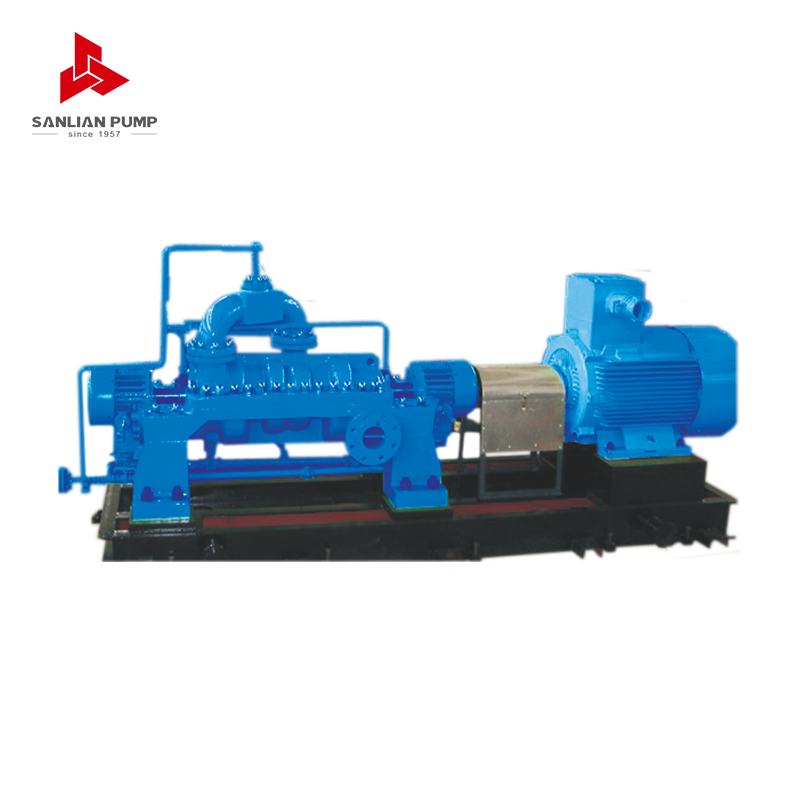
Chemical pumps are a specialized category of fluid handling equipment engineered specifically to transfer, meter, circulate, or inject corrosive, toxic, abrasive, flammable, or otherwise aggressive liquids in industrial processes. Unlike standard water pumps or general-purpose centrifugal pumps built from cast iron or carbon steel, chemical pumps are designed from the outset to resist chemical attack, prevent leakage of hazardous fluids, and maintain structural integrity across wide ranges of temperature, pressure, and fluid concentration. The differences begin at the material selection stage and extend through sealing system design, impeller geometry, bearing protection, and surface finishing requirements.
Chemical pumps are found throughout the process industries — in chemical manufacturing plants, pharmaceutical production facilities, water treatment works, electroplating lines, semiconductor fabrication, pulp and paper mills, mining operations, and food processing plants. The breadth of these applications reflects the enormous variety of aggressive fluids that must be safely handled, from concentrated sulfuric acid and hydrofluoric acid to sodium hypochlorite bleach solutions, organic solvents, oxidizing acids, alkalis, and abrasive slurries. Understanding how chemical pumps work mechanically and how their materials interact with specific chemicals is fundamental to selecting, installing, and operating them safely and reliably.
Core Working Principles of Chemical Pumps
Chemical pumps operate on the same fundamental fluid mechanics principles as other pump types, but the specific mechanism employed varies by pump design and determines which applications each type suits best. The two broadest categories are dynamic pumps — which impart kinetic energy to the fluid through a rotating impeller — and positive displacement pumps — which move fixed volumes of fluid per cycle through mechanical action. Within each category, several specific designs are widely used in chemical service.
Centrifugal Chemical Pumps
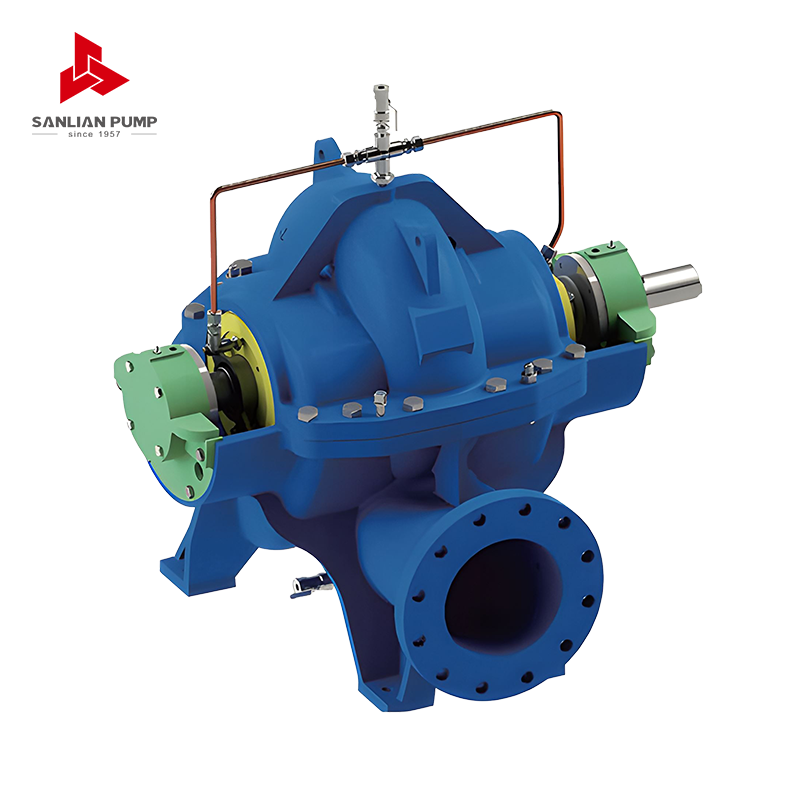
Centrifugal pumps are the most widely used chemical pump type in continuous process industries. The working principle relies on a rotating impeller mounted on a shaft driven by an electric motor. As the impeller spins, centrifugal force accelerates liquid outward from the impeller eye (center) to the impeller periphery, converting rotational kinetic energy into pressure and velocity. The liquid exits the impeller into a volute casing — a scroll-shaped housing that progressively widens, converting velocity into static pressure. This pressurized fluid then flows to the discharge outlet and into the process system.
In chemical service, centrifugal pumps handle large flow volumes at moderate pressures, making them ideal for circulation duties, transfer between vessels, cooling loops, and scrubber feed systems. Their performance is characterized by a head-flow curve: as flow rate increases, the developed pressure (head) decreases. Selecting the correct impeller diameter and rotational speed for the system resistance curve ensures the pump operates at its best efficiency point (BEP), minimizing energy consumption and reducing mechanical stress on the impeller and seal.
Positive Displacement Chemical Pumps
Positive displacement pumps deliver a fixed volume of fluid per revolution or stroke, regardless of system pressure — making them inherently suitable for metering and dosing applications where precise flow control is required. Diaphragm pumps, peristaltic pumps, gear pumps, and progressive cavity pumps are all positive displacement designs used in chemical service. Diaphragm pumps are particularly prevalent in chemical dosing because the pumped fluid never contacts the drive mechanism — it is separated from the motor and gearbox by the diaphragm itself, providing inherent containment and eliminating the shaft seal as a potential leak point. This makes diaphragm pumps the preferred choice for highly toxic or ultra-corrosive chemicals where any leakage is unacceptable.
Peristaltic pumps operate by squeezing a flexible tube or hose with rotating rollers, forcing fluid forward through the tube. The fluid contacts only the tube interior, making this design inherently compatible with aggressive, sterile, or abrasive chemicals without contamination risk. Progressive cavity pumps use a helical rotor turning inside an elastomeric stator to convey viscous or shear-sensitive chemicals smoothly without pulsation — a critical requirement for polymer solutions, adhesives, and thick chemical slurries.
Shaft Sealing Systems: Preventing Leakage of Hazardous Chemicals
The shaft seal is the most critical reliability and safety component in a chemical pump. It prevents the pumped fluid from escaping along the rotating shaft where it exits the pump casing. In standard pump applications, a simple packed gland — layers of braided packing compressed around the shaft — is often adequate. In chemical service, however, gland packing is generally unacceptable because it allows a small, continuous controlled leakage of process fluid, which is intolerable when handling toxic, corrosive, or flammable chemicals.
Mechanical seals are the standard sealing solution in chemical pump applications. A mechanical seal consists of two precision-lapped flat faces — one rotating with the shaft, one stationary in the pump casing — held in contact by spring force and hydraulic pressure. The seal faces are separated by a thin film of process fluid that provides lubrication while minimizing leakage to near-zero levels. Seal face materials must be selected for compatibility with the pumped chemical: silicon carbide faces are used for abrasive or corrosive applications; carbon-graphite faces suit many aqueous chemical duties; tungsten carbide faces handle abrasive slurries.
For the most hazardous chemicals — hydrofluoric acid, highly toxic process streams, carcinogens — magnetically driven (mag-drive) pumps and canned motor pumps eliminate the shaft seal entirely. In a mag-drive pump, the motor drives an outer magnet assembly that magnetically couples through the containment shell to an inner magnet assembly on the impeller shaft. There is no shaft penetration through the casing, and therefore no seal and no leak path. This hermetically sealed design represents the highest level of containment available in centrifugal pump technology and is mandatory in many chemical and pharmaceutical applications under environmental and safety regulations.
Material Compatibility: The Foundation of Chemical Pump Selection
Selecting the correct pump material for a specific chemical service is the single most consequential engineering decision in chemical pump specification. An incompatible material will corrode, swell, crack, or dissolve in contact with the process fluid, leading to pump failure, process contamination, and potentially catastrophic release of hazardous material. Material compatibility must be evaluated for all wetted components — the pump casing, impeller, shaft, mechanical seal faces, seal elastomers (O-rings, gaskets), and any internal coatings or linings.
Corrosion resistance is the primary material selection criterion in most chemical pump applications, but it is not the only one. Temperature affects corrosion rates dramatically — a material that provides acceptable resistance at ambient temperature may fail rapidly at elevated process temperatures. Concentration matters equally: stainless steel that resists dilute sulfuric acid is rapidly attacked by concentrated sulfuric acid, while some polymers that resist concentrated acid are degraded by dilute forms due to different attack mechanisms. Velocity also plays a role — high-velocity flow can strip passive oxide layers from metal surfaces, producing erosion-corrosion damage that outpaces the corrosion resistance indicated by static immersion test data.
Common Pump Materials and Their Chemical Resistance Profiles
| Material |
Good Resistance |
Poor Resistance / Avoid |
Typical Applications |
| 316L Stainless Steel |
Dilute acids, alkalis, oxidizing media, water |
Hydrochloric acid, chlorides, HF |
General chemical, pharma, food |
| Hastelloy C-276 |
HCl, H₂SO₄, oxidizing acids, chlorides |
Fuming nitric acid, strong oxidizers at high temp |
Aggressive acid service, FGD systems |
| Polypropylene (PP) |
HCl, H₂SO₄ (dilute), HF, alkalis, bleach |
Aromatic solvents, ketones, strong oxidizers |
Acid transfer, electroplating, water treatment |
| PVDF (Kynar) |
Chlorine, bromine, HF, strong acids, solvents |
Fuming sulfuric acid, amines, esters |
Semiconductor, aggressive halogen service |
| PTFE-lined |
Nearly universal chemical resistance |
Molten alkali metals, elemental fluorine |
Universal chemical service, HF, fuming acids |
| Titanium |
Seawater, chlorine, oxidizing acids, wet chlorine |
Dry chlorine, HF, fuming nitric acid |
Chlor-alkali, seawater, bleach production |
| Duplex Stainless (2205) |
Chlorides, seawater, moderate acids, H₂S |
Concentrated reducing acids, HCl at elevated temp |
Offshore, desalination, pulp and paper |
Elastomer and Seal Material Compatibility in Chemical Pumps
Elastomeric components — O-rings, gaskets, diaphragms, and mechanical seal secondary seals — are frequently the weakest link in chemical pump material compatibility because elastomers are susceptible to swelling, hardening, or dissolution by organic solvents and specific chemical families that leave metal components unaffected. Selecting the correct elastomer grade is therefore as critical as selecting the correct metal or polymer for the casing and impeller.
- EPDM (Ethylene Propylene Diene Monomer): Excellent resistance to dilute acids, alkalis, steam, and ketones. Poor resistance to petroleum-based oils and hydrocarbons. Widely used in water treatment and inorganic chemical service.
- Viton (FKM): Outstanding resistance to aromatic and chlorinated solvents, concentrated acids, and fuels. Poor resistance to steam, hot water, and some ketones. The standard choice for organic chemical and petroleum service.
- PTFE encapsulated O-rings: Near-universal chemical resistance across acids, alkalis, and solvents. Used where no elastomer provides adequate resistance. Slightly reduced sealing performance due to PTFE's low elasticity.
- Neoprene (CR): Good resistance to oils, mild acids, and refrigerants. Used in general industrial chemical service where temperature range is moderate.
- KALREZ (FFKM): The highest-performance perfluoroelastomer, providing near-PTFE chemical resistance with true elastomeric sealing properties. Used in semiconductor, pharmaceutical, and extreme chemical service where Viton is insufficient.
Special Design Considerations for Aggressive Chemical Services
Certain chemical services impose requirements beyond standard material selection that must be addressed through specific pump design features. Slurry handling — common in mining, pigment production, and wastewater treatment — requires pumps with wide-passage impellers, hardened or rubber-lined casings to resist abrasion, and reduced shaft speeds to minimize erosion rates. Open impeller designs with generous clearances prevent clogging in fibrous or particle-laden streams.
High-temperature chemical service — above 150°C — introduces thermal expansion considerations that affect mechanical seal face contact and casing joint integrity. High-temperature rated elastomers, Hastelloy or Alloy 20 shaft components, and externally cooled seal chambers (using a water-cooled seal flush plan) are standard engineering measures for hot acid or hot alkali services. Cryogenic chemical service — below -40°C — requires materials with verified low-temperature impact toughness: austenitic stainless steels retain ductility at cryogenic temperatures while ferritic steels become brittle and are prohibited.
Vacuum service conditions — where the pump suction pressure drops below atmospheric — can cause dissolved gases in the chemical to come out of solution and form vapor bubbles that collapse violently as they move into higher-pressure regions of the impeller. This phenomenon, known as cavitation, causes severe erosion damage to impeller surfaces in ordinary metals. Chemical pumps designed for vacuum or low-NPSH service use inducer-equipped impellers, reduced rotational speeds, and hardened impeller materials to withstand cavitation energy without accelerated material loss.
Practical Steps for Selecting the Right Chemical Pump
Effective chemical pump selection requires a systematic approach that begins with a complete characterization of the process fluid and operating conditions, then works through pump type, material, sealing, and mechanical design in sequence. Skipping steps or relying on general-purpose selections for aggressive chemical services leads to premature failures, safety incidents, and costly production losses.
- Define the fluid completely: Chemical name and concentration, specific gravity, viscosity at operating temperature, suspended solids content, vapor pressure, and any known impurities or trace contaminants that may affect material compatibility.
- Establish operating parameters: Flow rate range, required discharge pressure, suction conditions (available NPSH), operating temperature range, and duty cycle (continuous, intermittent, or standby).
- Consult material compatibility data: Cross-reference the chemical against manufacturer compatibility charts and independent corrosion databases for all candidate materials. Apply a temperature correction factor — compatibility data at 20°C may not apply at 80°C.
- Select pump type for the application: Centrifugal for high-flow, moderate-pressure continuous service; diaphragm or peristaltic for dosing, toxic, or high-containment requirements; progressive cavity for viscous or shear-sensitive fluids.
- Verify seal and elastomer compatibility independently: Do not assume that if the casing material is compatible, the seal O-ring material will be. Check each elastomer component separately against the specific chemical and temperature.
- Review applicable standards: ISO 2858 and ISO 5199 govern centrifugal chemical pumps in international markets; ASME B73.1 applies in North America. Compliance with these standards ensures minimum design, material, and testing requirements are met for chemical service pumps.
A correctly specified and installed chemical pump, matched precisely to its process fluid through careful material selection and appropriate mechanical design, will deliver years of reliable, leak-free service. The investment in thorough upfront selection — consulting compatibility data, engaging with experienced pump engineers, and verifying every wetted material against the specific chemical service conditions — pays back many times over in avoided downtime, prevented safety incidents, and reduced maintenance costs throughout the pump's operational life.



 English
 中文简体
中文简体 Français
 Español
 Português
 عربى
عربى

 皖公网安备34052302341647号