A submersible pump is a hermetically sealed motor-pump assembly designed to operate fully submerged in the fluid it moves. Unlike surface pumps that draw water upward using suction — a method limited by atmospheric pressure to practical lifts of about 7–8 meters — a submersible pump pushes water upward from below, allowing it to lift water from depths of 10 meters to over 300 meters depending on the pump design and motor power. The motor is housed in a waterproof casing directly coupled to the impeller assembly, meaning there are no long drive shafts or suction lines to introduce air leaks or mechanical losses. The fluid surrounding the pump also serves as a coolant for the motor windings, which is why running a submersible pump dry — without water around it — is one of the most damaging things that can happen to the unit.
Understanding why submersible pumps fail is essential before attempting any repair or replacement. The most common failure modes include motor winding burnout from dry running or voltage fluctuations, mechanical seal failure that allows water to enter the motor cavity, impeller damage from sand, grit, or debris ingestion, bearing wear from prolonged operation, and capacitor failure in single-phase motors. Electrical failures — including insulation breakdown in the pump cable and corroded terminal connections — account for a significant proportion of pump faults that appear as motor failures but are actually wiring problems. Identifying the specific failure mode before purchasing parts or a replacement pump saves considerable time and money.
How to Fix a Submersible Pump: Diagnosing and Repairing Common Faults
Before attempting to fix a submersible pump, safety must be the absolute first priority. Always disconnect the pump from its electrical supply at the breaker or isolator — not just at the switch — and verify the circuit is dead using a voltage tester before handling the pump cable or making any electrical connections. Never work on a pump that is connected to a live circuit, even if the pump appears not to be running. Once safely isolated, retrieve the pump from the water by its safety rope or cable — never pull a pump out by its electrical cable, as this will damage the cable entry gland and is a leading cause of cable fault introduction during service.
Diagnosing Electrical Faults Before Disassembly
A systematic electrical diagnosis using a multimeter can identify the majority of submersible pump faults without disassembling the pump. Begin by measuring the insulation resistance between each motor winding terminal and the pump casing (earth) using a megohmmeter or insulation tester set to 500V DC. A healthy submersible pump motor should read greater than 1 megohm — ideally 10 megohms or more — between any winding conductor and earth. A reading below 0.5 megohms indicates moisture ingress into the motor, which typically means the mechanical seal has failed and the motor windings are wet. In this condition, the pump should not be energized as this will complete the destruction of the winding insulation. Next, measure the resistance between winding terminals using the ohms range of a standard multimeter. The resistance values should match the manufacturer's specifications for the pump model and should be equal across phases in a three-phase motor. An open circuit (infinite resistance) indicates a broken winding; a very low resistance approaching zero indicates a short circuit within the winding.
Fixing the Pump Cable and Connections
Cable faults are the most straightforward submersible pump problem to fix and are frequently misdiagnosed as motor failures. The pump cable runs from the surface control panel or junction box down to the pump, and any damage — cut insulation, crushed conductors, or corroded connections at either end — can cause intermittent operation, tripped breakers, or complete failure. Inspect the full cable length for visible damage, paying particular attention to the point where the cable enters the pump body (the cable entry gland) and any joints or connection points. Joints in submersible pump cables must be made using waterproof heat-shrink jointing kits rated for permanent submersion — ordinary electrical tape or standard junction boxes are not suitable and will fail quickly when submerged. Replace any damaged cable section using the correct cross-sectional area and voltage rating for the pump motor current draw, and ensure new connections are made with properly rated waterproof connectors or jointing kits before returning the pump to service.
Replacing the Capacitor on Single-Phase Pumps
Single-phase submersible pump motors use a run capacitor (and sometimes a start capacitor) to create the phase shift necessary for the motor to start and run. A failed capacitor is one of the most common and easiest-to-fix causes of a submersible pump that hums but does not turn, or trips the circuit breaker immediately on starting. After safely isolating the electrical supply, access the capacitor — typically located in the control box at the surface rather than in the pump itself for deeper well pumps, or in a terminal box on the pump body for shallow-water models. Discharge the capacitor safely before touching its terminals by shorting its terminals through a 10,000-ohm resistor. Test the capacitor using a capacitance meter — a capacitor that measures significantly below its rated value (more than 10% low) or reads open circuit should be replaced. Replace with a capacitor of identical capacitance rating (in microfarads, μF) and voltage rating. Capacitor replacement typically costs $5–$30 and can restore a pump that otherwise appears completely failed.
Cleaning and Rebuilding the Impeller
If the pump motor runs (you can feel vibration and hear it operating) but water flow is greatly reduced or absent, the impeller is the most likely culprit. Disassemble the pump body according to the manufacturer's service instructions — most submersible pumps use stainless steel or plastic pump bodies that separate at a threaded or bolted joint between the motor section and the hydraulic section. Inspect the impeller for cracked vanes, wear on the leading edges, and debris impaction in the impeller channels. Sand, gravel, and calcium scale are the most common impeller-blocking materials. Clean thoroughly with a stiff brush and descaling solution if required. If impeller vanes are broken or severely worn — which will appear as smoothed or rounded leading edges compared to the sharp casting or machining marks visible on unworn areas — replace the impeller with a genuine manufacturer part, as aftermarket impellers often have dimensional tolerances that reduce hydraulic efficiency significantly compared to the original.
Mechanical Seal Replacement
The mechanical seal is the component that prevents water from entering the motor cavity along the shaft that connects the motor to the impeller. When this seal fails — through normal wear, abrasive particle damage, or dry-running damage — water progressively enters the motor housing, degrading winding insulation and causing corrosion of internal components. Mechanical seal replacement is the most technically demanding common submersible pump repair, requiring complete disassembly of the pump to access the seal location on the motor shaft. The old seal must be removed cleanly without scratching the shaft surface, and the new seal installed dry (no lubricants unless specifically instructed by the manufacturer) with the correct orientation — installing a mechanical seal upside down is a common mistake that causes immediate re-failure. After seal replacement, pressure-test the reassembled pump by sealing the outlet and applying water pressure to the inlet before returning the pump to the well, to verify the repair is watertight before reinstallation.
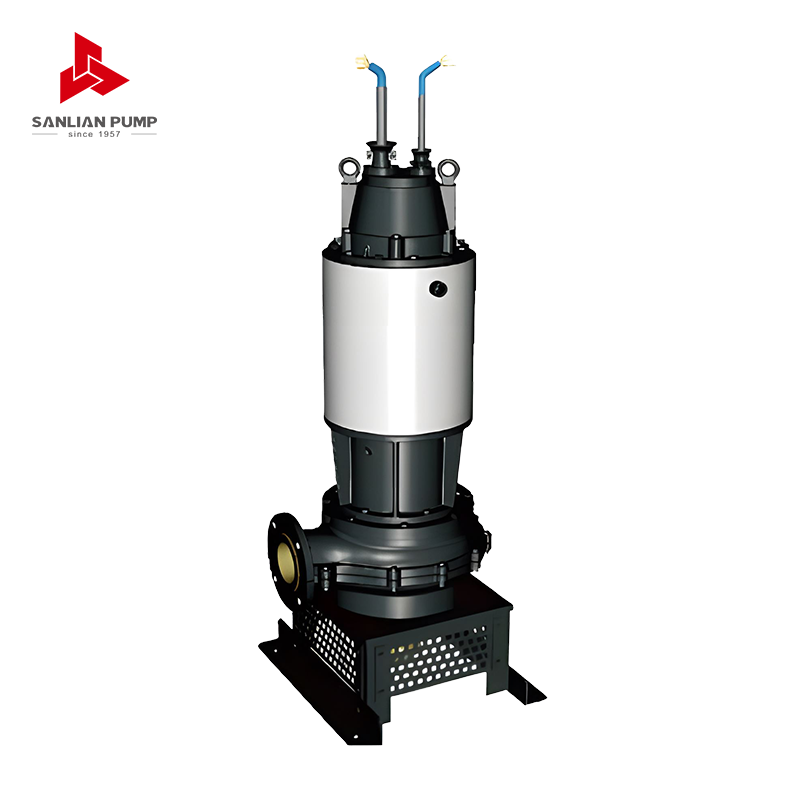
Submersible Pump Cost: What Affects Pricing and What to Expect
The price of a submersible pump varies enormously depending on the application type, flow rate, head (lift depth), motor power, construction materials, and brand. Understanding what drives submersible pump cost helps buyers avoid both false economies — purchasing underpowered or poor-quality pumps that fail quickly — and unnecessary overspending on specifications that exceed the actual application requirements.
Price Ranges by Application Type
| Pump Type |
Typical Price Range |
Common Applications |
| Utility / sump pump (1/3–1/2 HP) |
$80 – $300 |
Basement flooding, temporary dewatering |
| Shallow well pump (up to 25ft depth) |
$150 – $500 |
Irrigation, ponds, cisterns |
| Deep well residential (4-inch, 1–2 HP) |
$300 – $900 |
Home water supply wells 25–300ft |
| Deep well high-capacity (5–6 inch, 3–5 HP) |
$700 – $2,500 |
Agricultural irrigation, commercial supply |
| Sewage / effluent pump (1/2–2 HP) |
$200 – $800 |
Septic systems, sewage lift stations |
| Industrial / borehole (7.5–50 HP) |
$2,000 – $15,000+ |
Municipal water supply, mining dewatering |
Beyond the pump unit itself, installation costs add significantly to the total submersible pump cost. Professional installation of a deep well pump — including retrieving the old pump if replacing an existing unit, running new drop pipe and cable, setting the pump at the correct depth, connecting to the pressure tank and control panel, and testing the system — typically costs $300–$1,200 for a residential well, depending on well depth, accessibility, and local labor rates. Installation of sump pumps and utility pumps is simpler and less expensive, with most homeowners able to complete the work themselves if comfortable with basic plumbing and electrical connections.
Factors That Increase Submersible Pump Price
- Stainless steel construction: Pumps with stainless steel motor casings, impellers, and pump bodies cost 30–60% more than equivalent cast iron or thermoplastic models but offer significantly longer service life in aggressive water conditions, corrosive environments, or continuous-duty applications.
- Variable frequency drive (VFD) compatibility: VFD-compatible motors with inverter-rated insulation and specially designed bearings command a premium but enable variable-speed operation that dramatically reduces energy consumption and water hammer in pressurized systems.
- Integrated monitoring and protection electronics: Pumps with built-in overload protection, thermal sensors, and communication interfaces for remote monitoring cost more upfront but reduce the risk of catastrophic motor failure and simplify system management.
- Brand and warranty: Established brands with 2–5 year warranties and comprehensive parts availability — such as Grundfos, Franklin Electric, Goulds, Xylem, and Pedrollo — typically cost 20–50% more than generic or unbranded equivalents, but the warranty coverage and parts availability often justify the premium in whole-of-life cost terms.
- Higher head rating: Pumps designed to lift water from greater depths require more pump stages (multiple impellers in series), which increases manufacturing complexity, materials cost, and overall pump length and weight. A pump rated for 100m head costs substantially more than an equivalent flow-rate pump rated for 30m head.
Submersible Pumps with Automatic Shut-Off: How They Work and Which to Choose
A submersible pump with automatic shut-off is a pump system that detects a specific condition — most commonly low water level, high discharge pressure, or an empty source — and automatically stops the pump motor to prevent damage. Automatic shut-off is one of the most valuable features in any submersible pump installation because dry running is the single most destructive operational condition for a submersible pump, capable of destroying the mechanical seal and overheating the motor in as little as 30 seconds to a few minutes depending on the pump model.
Float Switch Automatic Shut-Off
Float switches are the simplest and most common automatic shut-off mechanism for sump pumps, drainage pumps, and tank-emptying applications. A float switch consists of a buoyant float connected to an electrical switch mechanism by a cable or lever arm. As water level rises, the float rises and closes the switch, energizing the pump. As the water level drops to the preset minimum level, the float falls and opens the switch, stopping the pump before it can run dry. Float switches can be configured for pump-down operation (pump runs when float is up, stops when float is down — used for sump and drainage applications) or pump-up operation (pump starts when level drops, stops when level rises — used for supply tank filling applications). Tethered float switches allow the operating range to be adjusted by changing the cable length; fixed-angle float switches provide a preset activation level built into the float arm geometry.
Pressure Switch Automatic Shut-Off
Deep well pump systems for domestic water supply use pressure switches as their primary automatic control and protection mechanism. The pressure switch monitors the system pressure in the pressure tank and piping downstream of the pump. When system pressure drops below the cut-in setpoint (typically 20–30 PSI) as water is used, the switch closes and starts the pump. When pressure reaches the cut-out setpoint (typically 40–60 PSI) indicating the pressure tank is fully charged, the switch opens and stops the pump. If the well runs low and the pump begins to deliver air rather than water, the system pressure fails to build and a low-pressure protection circuit (built into some pressure switches or provided by a separate low-pressure cutoff switch) detects this condition and stops the pump to prevent dry-run damage. Adjusting the cut-in and cut-out pressure setpoints on a pressure switch requires only a screwdriver but must be done in reference to the pressure tank's pre-charge air pressure to maintain correct system operation.
Electronic Flow and Dry-Run Protection Devices
More sophisticated automatic shut-off systems use electronic sensors to detect pump operation parameters that indicate a dry-running condition. Flow sensors installed in the discharge pipe detect when water flow drops below a minimum threshold, stopping the pump within seconds. Current-sensing devices monitor the motor current draw — a pump running dry draws significantly less current than a pump moving water, and the control device detects this reduction and stops the motor. Vibration-based sensors detect the change in pump vibration signature associated with air ingestion. These electronic protection systems are more expensive than float switches or pressure switches ($50–$300 for the protection device) but provide more reliable and adjustable dry-run protection, particularly in applications where water level fluctuates unpredictably or where the pump must operate unattended for extended periods.
Submersible Pump and Filter Systems: Protecting Your Pump and Water Quality
Pairing a submersible pump with an appropriate filtration system is essential in two distinct but equally important respects: protecting the pump from damage by suspended solids that abrade impellers and block passages, and ensuring the pumped water meets quality standards for its intended use. These two filtration objectives require different filter types placed at different points in the system, and understanding both is necessary for specifying a complete and effective submersible pump and filter system.
Intake Strainers and Pre-Filters for Pump Protection
All submersible pumps incorporate a basic intake strainer as a standard component — a coarse screen at the pump inlet that prevents large particles from entering the impeller chamber. However, these strainers are designed only to prevent catastrophic blockage and provide no protection against the fine sand, silt, and mineral particles that are the most common causes of impeller wear and seal abrasion in groundwater applications. In water sources with significant suspended solids — including surface water intakes, shallow wells in sandy aquifers, and ponds or streams after rainfall events — a pre-filter installed upstream of the pump intake provides essential protection. Pre-filters for submersible pump applications are typically stainless steel mesh screen filters with 100–500 micron filtration ratings, installed on the intake pipe section above the pump or as a well screen on the casing of the borehole itself. In pond and water feature pump applications, foam or polyester fiber pre-filter media surrounding the pump body is the standard approach, with filter media cleaned or replaced at regular maintenance intervals to prevent flow restriction that starves the pump.
Sediment Filters on the Discharge Side
For applications where pumped water is used for domestic supply, irrigation of food crops, or industrial processes, sediment filtration on the discharge side of the pump removes fine particles that pass through the pump intake strainer. Spin-down sediment filters — which use centrifugal action to separate heavy particles from the water stream into a collection chamber that can be flushed without interrupting flow — are well suited for continuous-flow applications with moderate sediment loads. Cartridge sediment filters using wound polypropylene or pleated polyester elements in standard 10-inch or 20-inch housings provide filtration down to 1–50 microns and are the most common whole-house water filtration approach downstream of a well pump system. Filter element replacement intervals depend on sediment load — typically every 1–6 months for residential well systems — and flow restriction from a clogged filter element reduces pump performance and can increase motor operating temperature, so regular maintenance is important for both water quality and pump longevity.
Comprehensive Filter System for Domestic Well Water Supply
A complete submersible pump and filter system for domestic well water supply typically integrates multiple treatment stages to address the range of potential water quality issues found in groundwater. The sequence of treatment stages matters: coarser filtration should always precede finer filtration to protect downstream filter elements from premature loading, and treatment processes that alter water chemistry (such as softening or disinfection) should be positioned appropriately relative to filtration stages that might be affected by chemistry changes.
- Stage 1 — Sediment pre-filter (50–100 micron): Spin-down or screen filter protecting downstream equipment from coarse particles. Install immediately after the pressure tank to protect the pressure switch and downstream filter housings.
- Stage 2 — Iron and manganese filter: Oxidizing filter media (greensand, Birm, or catalytic carbon) removes dissolved iron and manganese that cause staining of fixtures and laundry. Essential for the majority of drilled well water supplies which contain elevated iron at concentrations of 0.5–10 mg/L or higher.
- Stage 3 — Water softener (ion exchange): Removes hardness minerals (calcium and magnesium) that cause scale buildup in hot water systems, appliances, and plumbing. Install after iron removal to prevent iron fouling of the softener resin.
- Stage 4 — Carbon block filter (5–10 micron): Removes chlorine (if added for disinfection), organic compounds, pesticides, and taste and odor compounds. The carbon block also provides fine sediment removal as a secondary function.
- Stage 5 — UV disinfection: Ultraviolet light inactivates bacteria, viruses, and protozoa including E. coli, coliform bacteria, Giardia, and Cryptosporidium. UV disinfection must be the last stage before the point of use, and the incoming water must be clear (turbidity below 1 NTU) for UV to be fully effective — hence its position after all upstream filtration stages.
Maintaining Your Submersible Pump System for Long-Term Reliability
A submersible pump installed correctly in a clean water source with appropriate protection devices can provide 10–25 years of reliable service — but only with periodic maintenance that catches developing problems before they cause complete failure. Many pump failures that appear sudden and unexpected are actually the end result of gradual degradation that would have been caught by regular inspection and monitoring. Establishing a structured maintenance routine is the most cost-effective investment a pump owner can make in terms of extending equipment life and avoiding emergency repair costs.
- Annual insulation resistance test: Measure the insulation resistance of the pump motor windings to earth using a megohmmeter. Trending this measurement annually over the life of the pump reveals progressive insulation degradation that indicates seal wear or moisture ingress developing slowly — the pump can be serviced proactively before the motor fails completely.
- Monitor flow rate and system pressure: Record pump flow rate and operating pressure at each annual inspection using the same measurement method. A declining flow rate at unchanged system pressure indicates impeller wear or partial blockage. A declining pressure at unchanged flow indicates pressure tank waterlogging or a partially failed pressure switch.
- Check and replace filter media on schedule: Inspect all filter housings, replace cartridge elements on the manufacturer's recommended schedule, and backwash regenerative filter media (iron filters, softeners) according to water quality test results. A pressure differential gauge across each filter housing provides a real-time indication of filter loading without requiring element removal for inspection.
- Test automatic shut-off devices annually: Manually trigger each float switch, pressure switch, and dry-run protection device to verify it operates correctly and stops the pump at the intended threshold. Switches that stick, fail to operate at the correct level, or have corroded contacts should be replaced before the next season's operation.
- Inspect the pump cable at accessible points: Examine the cable entry into the control panel, any junction boxes, and the cable entry gland on the pump body for signs of cracking, chafing, or water tracking. Cable insulation damage is far cheaper to repair when caught early than after it has caused a motor winding failure.
- Annual water quality testing: Test pumped water for coliform bacteria, nitrates, pH, hardness, iron, and manganese at minimum — and for any contaminants specific to your location or land use history. Changing water quality parameters can indicate changes in the aquifer, nearby contamination, or deterioration of the well casing that requires attention beyond the pump system itself.




 English
 中文简体
中文简体 Français
 Español
 Português
 عربى
عربى

 皖公网安备34052302341647号