When pumping abrasive slurries, corrosive chemicals, or a combination of both, standard pumps fail rapidly — often within weeks. Abrasion resisting pumps and corrosion resistant pumps are purpose-engineered to survive where general-purpose pumps cannot, using hardened metals, elastomers, and advanced alloys to extend service life from months to years. Choosing the right pump type and material for your specific fluid and solids composition is the single most important factor in reducing unplanned downtime and total lifecycle cost.
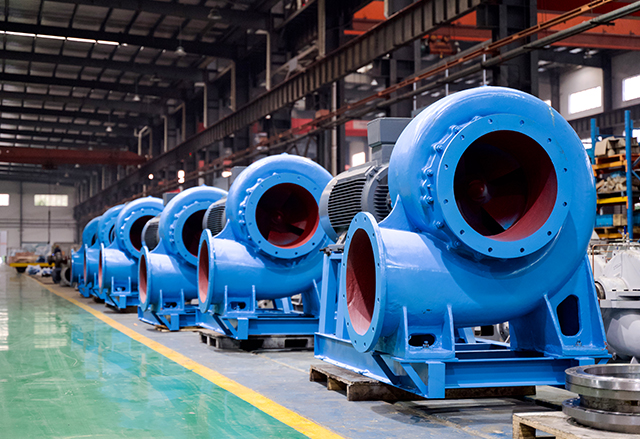
What Separates Abrasion Resisting Pumps from Standard Pumps
A standard centrifugal pump handling clean water is designed for hydraulic efficiency, not material durability. When abrasive particles — sand, gravel, coal, mineral ore, or ceramic fines — enter the pump, they erode impellers, volute liners, and shaft seals at a rate that scales with particle hardness, concentration, size, and velocity. Even a 5% solids concentration of fine silica sand can reduce an unprotected cast iron impeller's service life by 80% compared to clean water duty.
Abrasion resisting pumps counter this through three primary design strategies: using inherently harder wetted materials, increasing wall thickness and impeller mass to allow for controlled wear, and reducing internal fluid velocities to lower erosive impact energy. The result is a pump that sacrifices some hydraulic efficiency in exchange for dramatically extended component life.
Core Design Features of Abrasion Resisting Pumps
- Thickened impeller and liner walls: Designed with 20–40% more material than equivalent duty standard pumps to allow measurable wear before performance degrades beyond acceptable limits.
- Wide-clearance passages: Large internal flow paths prevent particle bridging and clogging, reducing impact wear at tight clearances.
- Replaceable liners: Volute and throatbush liners are designed as field-replaceable wear items, allowing the pump casing to be reused while only the worn contact surfaces are replaced.
- Low tip speed impellers: Reducing impeller tip speed from 30 m/s to 20 m/s can reduce erosive wear rate by a factor of 3–5×, following the relationship where wear rate scales approximately with velocity to the power of 2.5–3.
Materials Used in Abrasion Resisting Pumps
Material selection is the most critical engineering decision in abrasion resisting pump design. The optimal material depends on particle hardness, particle size distribution, solids concentration, and whether corrosion is also a factor.
Table 1: Common abrasion resisting pump materials and their typical applications
| Material |
Hardness (HB or HV) |
Best For |
Limitation |
| High Chrome White Iron (Cr28) |
650–750 HB |
Coarse, hard mineral slurries |
Brittle; poor impact resistance |
| Natural Rubber (NR) |
40–60 Shore A |
Fine, low-density particles (<6mm) |
Not suitable for sharp/angular solids or oils |
| Polyurethane |
60–95 Shore A |
Medium fine abrasives, oil-present slurries |
Temperature limited (<80°C) |
| Silicon Carbide (SiC) |
2,500+ HV |
Extreme abrasion, chemical slurries |
High cost; shock sensitivity |
| Manganese Steel (Hadfield) |
200 HB (work hardens to 550 HB) |
High-impact abrasion (coarse rock) |
Requires impact to activate hardening |
In mining applications handling copper or gold ore slurry with particle sizes of 1–10 mm, high chrome white iron liners consistently outperform rubber by 2–3× in service life. For fine coal or phosphate slurries with sub-1mm particles, natural rubber liners often outlast metal liners because the elastomeric surface absorbs particle impact energy rather than being gouged by it.
Corrosion in pumps manifests as uniform material loss, pitting, crevice attack, galvanic corrosion between dissimilar metals, or stress corrosion cracking — each driven by the electrochemical interaction between the pump material and the fluid being handled. A standard cast iron pump exposed to a 10% sulfuric acid solution can corrode through a 6mm wall in under 30 days, whereas a properly specified corrosion resistant pump will handle the same fluid indefinitely.
Corrosion resistant pumps achieve chemical resistance through two main strategies: using inherently passive alloys that form stable oxide films (stainless steels, nickel alloys, titanium), or using non-metallic materials that are chemically inert to the fluid (fluoropolymers, ceramics, engineered plastics). The correct choice depends on fluid chemistry, temperature, pressure, and whether abrasion also occurs simultaneously.
Corrosion Mechanisms and Their Impact on Pump Life
- Uniform corrosion: Predictable material loss across all wetted surfaces. Manageable with corrosion allowance in wall thickness and scheduled replacement intervals.
- Pitting corrosion: Localized attack creating deep cavities, especially in stainless steels exposed to chlorides above critical threshold concentrations. Can perforate pump walls while surrounding material appears intact.
- Erosion-corrosion: The synergistic combination of mechanical abrasion and chemical attack, where abrasion removes the passive film and corrosion accelerates material loss. Common in acidic slurry pumping — wear rates can be 5–10× higher than either mechanism acting alone.
- Cavitation corrosion: Implosion of vapor bubbles removes metal at high-stress points on impellers, compounding chemical attack in undersaturated or hot fluid applications.
Corrosion Resistant Pump Materials: Matching Alloy to Fluid
No single material resists all corrosive fluids. Titanium, for example, has outstanding resistance to chloride-rich seawater and oxidizing acids but is attacked by reducing acids like hydrofluoric acid. Hastelloy C-276 resists a broad spectrum of aggressive chemicals but is cost-prohibitive for large pump casings. Correct material specification requires knowledge of the specific fluid chemistry, concentration, temperature, and the presence of contaminants.
Table 2: Corrosion resistant pump materials matched to common aggressive fluids
| Fluid |
Recommended Material |
Avoid |
Notes |
| Seawater / Brine |
Duplex SS 2205, Super Duplex, Titanium |
304 SS, Carbon Steel |
Chloride pitting risk above 60°C |
| Sulfuric Acid (<70%) |
Alloy 20, PTFE-lined, High Silicon Iron |
316 SS, Cast Iron |
Concentration and temperature critical |
| Hydrochloric Acid |
Hastelloy C-276, PTFE/PFA-lined, PP |
All stainless steels, Titanium |
Even dilute HCl attacks most metals |
| Sodium Hydroxide (Caustic) |
316L SS, Alloy 400 (Monel), Nickel |
Aluminum, Zinc |
Stress corrosion cracking risk at high temp |
| Phosphoric Acid Slurry |
High Cr White Iron + Rubber, Alloy 20 |
Standard cast iron, 316 SS |
Combined abrasion-corrosion application |
Pump Types Best Suited for Abrasive and Corrosive Duties
Not all pump configurations handle abrasive or corrosive fluids equally well. The mechanical design — including seal type, bearing arrangement, and flow path geometry — determines how well a pump survives aggressive service beyond the material selection alone.
Slurry Centrifugal Pumps
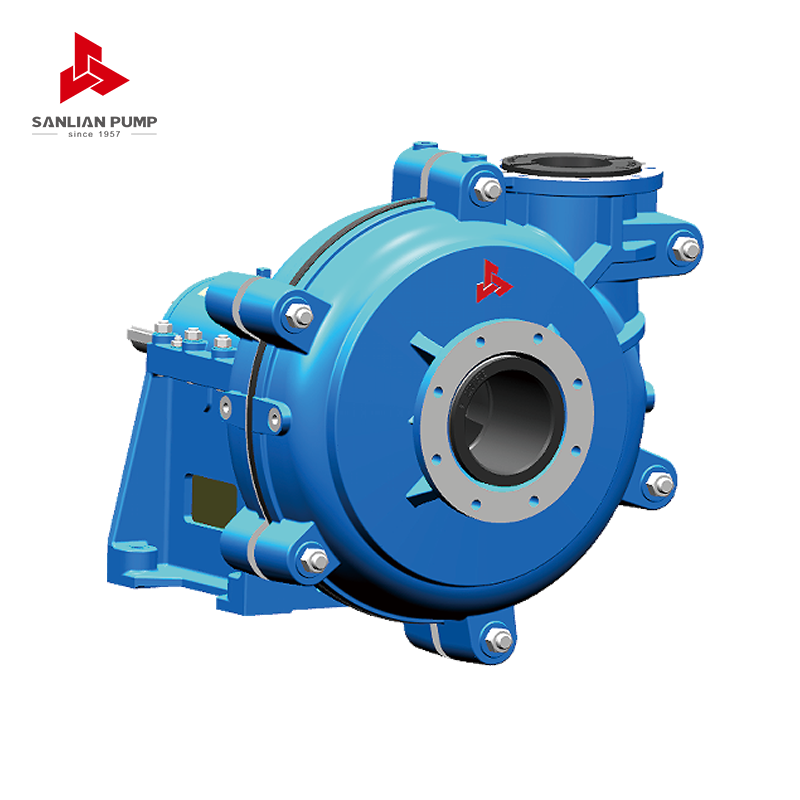
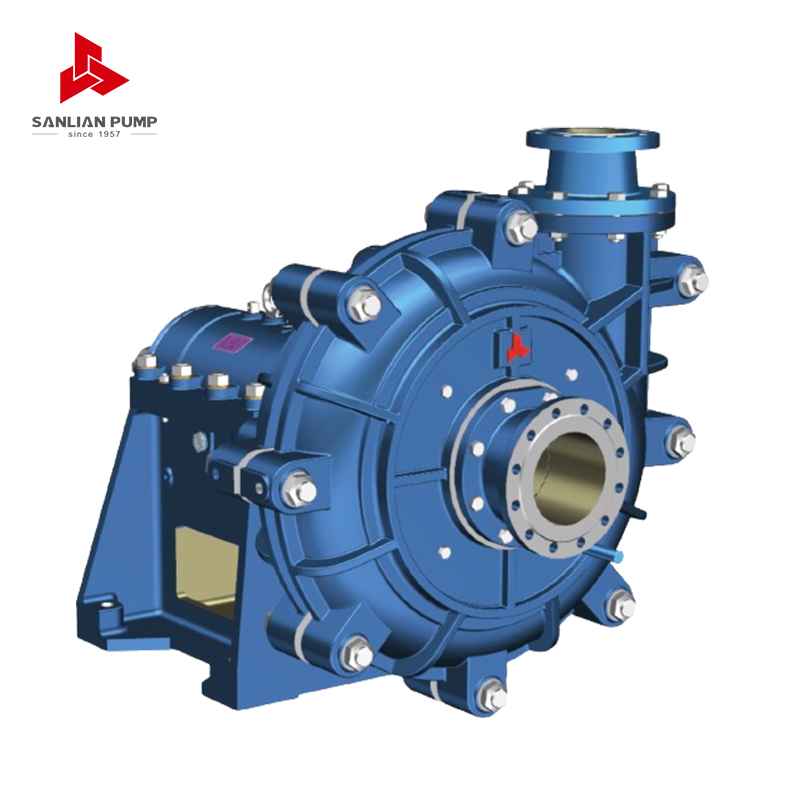
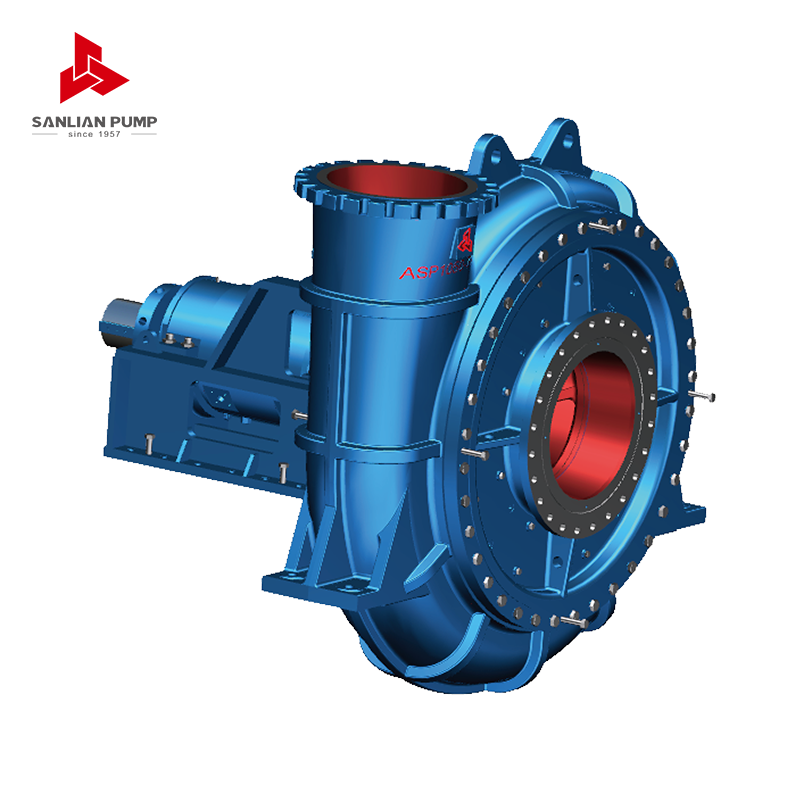
The workhorse of abrasive slurry applications. Horizontal slurry pumps with semi-open or recessed impellers handle solids up to 50–75 mm particle size and slurry concentrations up to 60–70% solids by weight in heavy mineral sands applications. End-suction designs with back-pull-out feature allow full internal access without disturbing pipework, minimizing maintenance downtime.
Peristaltic (Hose) Pumps
In peristaltic pumps, the fluid only contacts the hose interior — no impeller, seal, or valve is exposed to the process fluid. This makes them exceptionally suited for highly abrasive or corrosive slurries where impeller wear would be a constant problem. They handle viscous, shear-sensitive, and highly concentrated slurries, though with lower flow rates and pressure capability than centrifugal designs. Hose life of 500–2,000 hours is typical in abrasive applications, with hose replacement taking under 30 minutes.
Magnetically Coupled (Sealless) Pumps
For corrosive chemical duty where zero leakage is mandatory, magnetically coupled pumps eliminate mechanical shaft seals entirely. The impeller is driven through a hermetically sealed containment shell by an external rotating magnet. Pump casings and containment shells in Hastelloy C, PTFE, or SiC provide resistance to virtually all aggressive chemicals at temperatures up to 200°C. These pumps are standard in pharmaceutical, semiconductor, and chemical processing plants handling fuming acids, solvents, and toxic liquids.
Air-Operated Double Diaphragm (AODD) Pumps
AODD pumps handle abrasive slurries and corrosive fluids without rotating parts in the flow path. Diaphragms in PTFE, Santoprene, or Neoprene provide broad chemical compatibility, while large ball valves pass solids up to 10–12 mm diameter. They are self-priming, can run dry without damage, and are inherently safe for flammable or toxic fluids due to their air-only drive system.
When Abrasion and Corrosion Occur Together
The most challenging pump applications involve simultaneous abrasion and corrosion — acidic mineral slurries in copper leaching, phosphoric acid production, coal preparation with process water, and tailings disposal in geochemically active environments. In these cases, material loss is not additive but synergistic: abrasion removes the protective passive film that corrosion resistant alloys depend on, exposing fresh metal that corrodes before it can repassivate, and corrosion softens the surface making it more vulnerable to abrasive cutting.
Field measurements in phosphate fertilizer plants showed that pump impellers in phosphoric acid slurry (pH 1.5–2.5, 30% solids) experienced wear rates 6× higher than predicted by simply summing independent abrasion and corrosion rates. This synergy must be accounted for in material selection and maintenance planning.
Recommended Approaches for Combined Duty
- Use high chrome iron with corrosion-resistant binder (e.g., 28% Cr, 2–3% Mo) for acidic slurries with coarse particles, as the chromium carbides provide abrasion resistance while the matrix resists mild acid attack.
- Apply rubber liners with acid-resistant compounds (chlorobutyl, EPDM) for fine particle acidic slurries where the elastomer's chemical resistance and energy-absorbing impact behavior both contribute.
- Consider PTFE-lined pump casings with ceramic impellers for concentrated acid slurries where metallic options are quickly compromised.
- Implement cathodic protection or impressed current systems on submerged pump casings in corrosive environments to supplement material resistance in stationary components.
Key Factors to Evaluate Before Selecting a Pump
Selecting the correct abrasion resisting or corrosion resistant pump requires a structured evaluation of the operating conditions. Purchasing a pump based on flow rate and head alone — without characterizing the fluid — is the leading cause of premature pump failure in process industries.
- Fluid chemistry: Full chemical composition including pH, dissolved salts, oxidizing agents, chloride concentration, and temperature range. A fluid with pH 3 and 5,000 ppm chlorides behaves entirely differently from pH 3 with no chlorides.
- Solids characterization: Particle size distribution (d50 and d95), particle shape (angular vs. rounded), Mohs hardness of the abrasive, and concentration by weight or volume. Angular quartz at d95 = 5 mm is far more destructive than rounded coal at the same size.
- Operating temperature: Corrosion rates typically double for every 10°C rise. Elastomer liners lose effectiveness above 80–90°C. High-temperature applications above 150°C significantly narrow material options.
- Duty cycle: Continuous vs. intermittent operation affects thermal cycling stresses in metallic components and relaxation behavior in elastomers. Start-stop conditions can accelerate seal and bearing wear in slurry pumps.
- Acceptable maintenance interval: Defines the minimum required component life. A mine requiring 3-month impeller life between scheduled shutdowns needs a different solution than a plant tolerating monthly liner replacements.
Maintenance Practices That Extend Pump Service Life
Even the best-specified abrasion resisting or corrosion resistant pump will fail prematurely without disciplined maintenance practices. Operating conditions frequently drift from design intent — slurry concentration increases, pH shifts outside design range, or flow rate drops causing solids to settle and pack around the impeller. Monitoring wear through periodic dimensional checks and vibration analysis catches developing problems before they cause catastrophic failure.
- Measure impeller-to-liner clearances at scheduled intervals. In high chrome iron slurry pumps, performance degrades noticeably when clearances exceed 3–4 mm; adjusting or replacing liners before this point prevents efficiency losses and further accelerated wear.
- Monitor gland water or seal flush quality. Contaminated or interrupted flush water is the primary cause of mechanical seal and packing failure in slurry pumps, allowing abrasive particles to enter the seal faces.
- Track power consumption trends. A rising power draw at constant flow indicates increasing internal losses from wear or blockage; a dropping power draw suggests impeller erosion reducing pump output.
- Avoid operating below minimum flow. Slurry pumps operating at less than 60–70% of best efficiency point flow experience elevated internal recirculation velocities, sharply increasing localized erosion at impeller eye and suction liner.


 English
 中文简体
中文简体 Français
 Español
 Português
 عربى
عربى

 皖公网安备34052302341647号