Operational Challenges Commonly Observed in Split Case Pumps
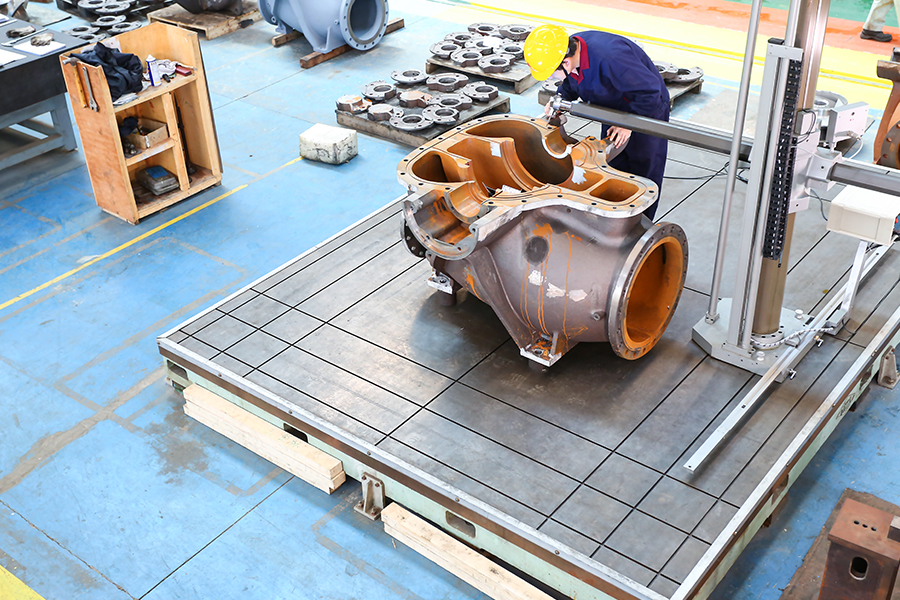
Split case pumps are widely used in water supply, HVAC, fire protection, and industrial circulation systems due to their stable performance and ease of maintenance. However, long term operation under varying load conditions can lead to specific mechanical and hydraulic issues. Understanding these common operational problems helps operators and maintenance teams identify root causes early and apply targeted corrective actions, reducing unplanned downtime and equipment wear.
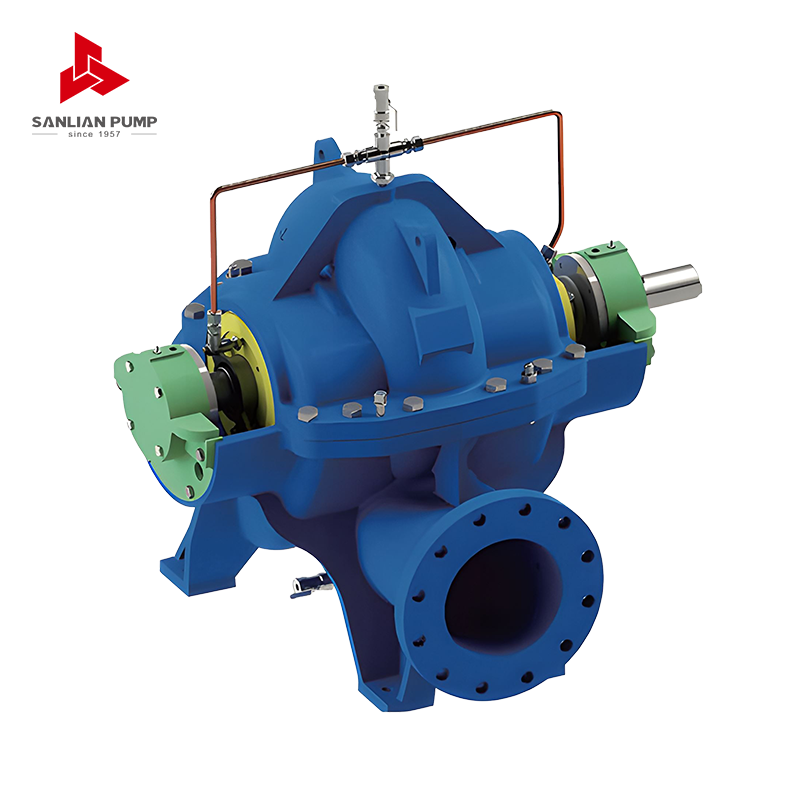
Insufficient Flow or Reduced Pump Output
Insufficient flow is one of the most frequently reported issues in split case pump operation. This condition often results from a mismatch between system requirements and pump performance or from changes in system resistance over time. Mechanical wear and internal leakage can also contribute to gradual output reduction.
Common Causes and Corrective Actions
- Impeller wear or erosion reduces effective hydraulic capacity and requires inspection or replacement
- Partial blockage in suction piping restricts inlet flow and should be cleared
- Incorrect pump speed due to motor or coupling issues affects delivered flow
Abnormal Vibration and Excessive Noise
Excessive vibration or noise during operation often indicates mechanical imbalance or misalignment within the split case pump assembly. If left unaddressed, vibration can accelerate bearing wear, loosen fasteners, and compromise seal integrity, leading to secondary failures.
Typical Sources of Vibration
- Shaft misalignment between pump and motor coupling
- Uneven impeller wear causing dynamic imbalance
- Loose foundation bolts or insufficient base support
Seal Leakage and Stuffing Box Issues
Seal leakage is a common maintenance concern in split case pumps, particularly in systems operating continuously or handling abrasive fluids. Both mechanical seals and packing arrangements can experience degradation due to improper installation, shaft surface damage, or operating conditions outside design limits.
Key Troubleshooting Focus Areas
- Verify correct seal installation and alignment
- Inspect shaft sleeve condition for scoring or wear
- Confirm adequate seal flushing or cooling where required
Bearing Overheating and Premature Failure
Bearing issues in split case pumps typically manifest as elevated temperature, abnormal noise, or increased vibration levels. Bearings are sensitive to lubrication quality, alignment accuracy, and load distribution. Improper operating conditions can significantly shorten bearing service life.
| Observed Symptom |
Likely Cause |
Recommended Action |
| High bearing temperature |
Insufficient or degraded lubricant |
Replace lubricant and check lubrication intervals |
| Abnormal bearing noise |
Misalignment or excessive axial load |
Realign pump and inspect thrust balancing |
Cavitation and Suction Related Problems
Cavitation occurs when local pressure at the pump inlet drops below the vapor pressure of the fluid, leading to vapor bubble formation and collapse. In split case pumps, cavitation often results from inadequate net positive suction head or excessive system resistance on the suction side. Prolonged cavitation damages impeller surfaces and reduces hydraulic efficiency.
Practical Mitigation Measures
- Reduce suction line losses by optimizing pipe diameter and layout
- Ensure suction valves are fully open during operation
- Verify system net positive suction head meets pump requirements
Uneven Wear of Internal Components
Uneven wear patterns on impellers, wear rings, or casing surfaces often indicate off design operation or improper assembly. Split case pumps are designed for balanced hydraulic loading, and deviations from recommended operating ranges can lead to localized stress and accelerated material loss.
Systematic Troubleshooting Approach for Split Case Pumps
Effective troubleshooting of split case pump issues relies on a systematic approach that combines operational data review, visual inspection, and performance testing. By correlating symptoms such as noise, temperature, and flow deviation with known failure modes, maintenance teams can identify root causes more efficiently and implement corrective actions that restore stable pump operation while extending service life.


 English
 中文简体
中文简体 Français
 Español
 Português
 عربى
عربى


 皖公网安备34052302341647号