What Makes a Pump Corrosion Resistant
A corrosion resistant pump is a pump designed to transfer corrosive fluids -- acids, alkalis, solvents, seawater, brine, oxidizing chemicals, and similar media -- without being degraded by chemical attack on its wetted components. The term encompasses a broad range of pump types and construction materials, unified by the engineering principle that every surface in contact with the process fluid must be chemically compatible with that fluid under the specific conditions of temperature, concentration, pressure, and flow velocity that the application presents.
Corrosion is not a single phenomenon but a family of related degradation mechanisms -- uniform corrosion that gradually reduces material thickness, pitting corrosion that creates localized deep penetrations, crevice corrosion at tight clearances, galvanic corrosion between dissimilar metals, stress corrosion cracking under combined chemical and mechanical stress, and erosion-corrosion from abrasive particles in a corrosive carrier fluid. A corrosion resistant pump is one whose material selection, construction, and design address the specific corrosion mechanisms relevant to its intended service, not simply a pump made from any material other than carbon steel.
Understanding what drives corrosion resistance in a pump -- which materials provide it, how different pump types implement it, and what service conditions determine which approach is appropriate -- is essential for specifying the right pump for any corrosive fluid application. The wrong choice results in premature pump failure, unplanned maintenance, process contamination, safety incidents, and economic losses that far exceed the cost of correct initial specification.
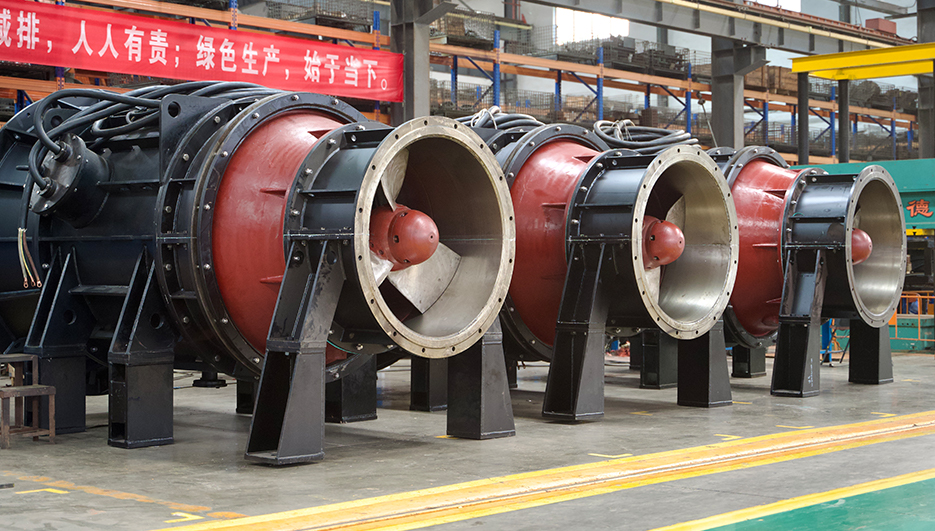
Corrosion Mechanisms That Affect Pumps
Before selecting a corrosion resistant pump, the specific corrosion mechanisms that will act on the pump in service must be identified. Each mechanism has different implications for material selection and pump design.
Uniform (General) Corrosion
Uniform corrosion is the even removal of material across an exposed surface through electrochemical reaction with the fluid. It is the most predictable form of corrosion because its rate can be measured and used to calculate the remaining service life of the component. Corrosion rates are expressed as millimeters per year (mm/yr) or mils per year (mpy). A corrosion rate below 0.1 mm/yr is generally considered acceptable for engineering applications; rates above 1 mm/yr indicate that the material is incompatible with the fluid under those conditions. Material selection for uniform corrosion resistance is based on measured corrosion rate data for the specific material-fluid-temperature combination, available from corrosion resistance tables published by material manufacturers and industry standards organizations.
Pitting Corrosion
Pitting is a localized form of corrosion that creates small, deep cavities in the material surface while the surrounding surface remains largely unaffected. It is initiated at surface imperfections, inclusions, or areas where the passive protective film on the metal surface is disrupted. Pitting is particularly dangerous in pump applications because it can penetrate the full wall thickness of an impeller or casing at a rate much faster than the average corrosion rate would suggest, leading to sudden failure without visible general surface deterioration. Chloride ions in the fluid are a primary cause of pitting in stainless steels, which is why materials such as duplex stainless steel and super duplex stainless steel -- with higher molybdenum content that improves pitting resistance -- are specified for seawater and brine service rather than standard austenitic grades.
Galvanic Corrosion
Galvanic corrosion occurs when two dissimilar metals are in electrical contact in the presence of an electrolyte (the corrosive fluid). The less noble metal becomes the anode and corrodes preferentially, while the more noble metal is protected. In pumps constructed from multiple materials -- such as a stainless steel impeller running in a cast iron casing -- the galvanic potential difference between the two metals drives accelerated corrosion of the less noble material at the contact zone. Corrosion resistant pump design avoids dissimilar metal combinations in wetted components or uses insulating materials to break the galvanic circuit.
Stress Corrosion Cracking
Stress corrosion cracking (SCC) occurs when a susceptible material under tensile stress is exposed to a specific corrosive environment. Austenitic stainless steels are susceptible to SCC in chloride-containing solutions at elevated temperatures -- a combination present in many chemical processing and seawater pump applications. The cracks initiate at the surface and propagate rapidly through the material under the combined action of mechanical stress and chemical attack, leading to sudden brittle fracture at stresses far below the material's yield strength. Material selection for SCC resistance requires avoiding susceptible alloy-fluid-temperature combinations, using duplex or ferritic stainless steels in place of austenitic grades where SCC risk is identified, or using non-metallic materials entirely.
Erosion-Corrosion
Erosion-corrosion combines mechanical wear from high-velocity fluid flow or entrained particles with chemical attack. The erosive action continuously removes the protective passive film or corrosion product layer from the metal surface, exposing fresh metal to chemical attack. At high flow velocities in pump impellers and casings, erosion-corrosion can degrade even materials with good static corrosion resistance. Pump design for erosion-corrosion resistance requires selecting materials with high hardness and good corrosion resistance simultaneously -- hard alloys such as duplex stainless steel, Hastelloy C-276, or ceramic-lined components -- and controlling flow velocity through impeller design to avoid the high-velocity zones where erosion-corrosion is most aggressive.
The material of construction is the primary specification decision for a corrosion resistant pump. The material must be chemically compatible with the fluid across the full range of concentrations, temperatures, and impurities that the service involves, while also providing the mechanical strength, machinability, and dimensional stability needed for pump component manufacturing.
Stainless Steel
Stainless steels are the most widely used metallic materials in corrosion resistant pumps. Their corrosion resistance derives from the passive chromium oxide film that forms spontaneously on the steel surface in oxidizing environments and reforms rapidly when damaged. The specific grade of stainless steel determines its resistance to different corrosive environments:
- AISI 316 and 316L (UNS S31600, S31603): The most common pump material for mild to moderately corrosive service -- dilute acids, alkalis, organic solvents, food and beverage process fluids, and clean water service with chloride content below approximately 200 ppm. The addition of molybdenum (2 to 3%) compared to 304 grade improves pitting and crevice corrosion resistance. Used as cast (CF-3M, CF-8M) in pump casings and impellers and wrought in shafts and fasteners.
- Duplex stainless steel (UNS S31803, S32205): A two-phase ferritic-austenitic microstructure providing approximately twice the yield strength of austenitic grades and significantly better resistance to pitting, crevice corrosion, and stress corrosion cracking in chloride environments. Specified for seawater service, brine, desalination plant pumps, and chemical service with chloride levels that would cause pitting or SCC in standard austenitic grades.
- Super duplex stainless steel (UNS S32750, S32760): Higher alloy content than standard duplex (molybdenum increased to 4%, nitrogen added), providing superior corrosion resistance for the most aggressive chloride environments including produced water in oil and gas applications, offshore platform seawater systems, and concentrated brine service.
- Super austenitic stainless steel (904L, 254 SMO, AL-6XN): High alloy austenitic grades with molybdenum content of 4 to 7% and nitrogen addition, providing corrosion resistance approaching that of nickel alloys at lower cost. Used in sulfuric acid service, phosphoric acid, seawater, and mixed acid applications where standard 316 is insufficient but the cost of a full nickel alloy construction is not justified.
Nickel Alloys
Nickel-based alloys provide corrosion resistance in the most aggressive chemical environments where stainless steel would be attacked. They are specified when the process fluid is strongly acidic, strongly oxidizing, or involves a combination of conditions that falls outside the corrosion resistance envelope of any stainless steel grade:
- Hastelloy C-276 (UNS N10276): One of the most broadly corrosion resistant metallic materials in commercial use. Resists chloride-induced pitting and SCC, hot concentrated oxidizing acids, mixed acids, and reducing acids. Used in chemical processing pumps for hydrochloric acid, sulfuric acid, acetic acid, and mixed acid service across a wide concentration and temperature range.
- Inconel 625 (UNS N06625): High molybdenum and niobium content provides excellent resistance to pitting, crevice corrosion, and SCC in seawater and aggressive chloride environments. Used in offshore, subsea, and desalination pump applications requiring high strength combined with maximum corrosion resistance.
- Monel 400 (UNS N04400): A nickel-copper alloy with excellent resistance to hydrofluoric acid, sulfuric acid below 85% concentration, and seawater. Historically used in hydrofluoric acid alkylation plant pumps and marine service where its combination of HF resistance and seawater resistance is uniquely valuable.
Non-Metallic Materials
For acids and chemicals that attack all metallic pump materials -- including nickel alloys -- non-metallic construction materials provide the only viable solution. Non-metallic corrosion resistant pumps use polymer or ceramic materials for all wetted components:
- PTFE (polytetrafluoroethylene): Chemically inert to virtually all acids, alkalis, solvents, and oxidizing agents. PTFE-lined pumps use a metallic (typically steel or stainless steel) pump body with a PTFE liner bonded or pressed to all wetted surfaces. The metallic body provides structural strength while the PTFE liner provides chemical isolation of the fluid from the metal. Used in concentrated hydrofluoric acid, fuming nitric acid, and other highly corrosive services where no metallic material is adequate.
- Polypropylene (PP) and polyvinylidene fluoride (PVDF): Lower-cost thermoplastic materials used for pump casings, impellers, and pipe connections in corrosive fluid applications at moderate temperatures (PP to approximately 80 degrees Celsius, PVDF to approximately 120 degrees Celsius). PP is resistant to most mineral acids, alkalis, and salt solutions. PVDF provides superior chemical resistance, particularly to chlorinated solvents and strong acids, and better UV resistance for outdoor installation.
- Rubber-lined and elastomer-lined pumps: Steel or cast iron pump bodies lined with natural rubber, neoprene, EPDM, or other elastomers provide corrosion resistance combined with abrasion resistance for slurry and mining applications where the fluid contains both corrosive chemicals and abrasive particles. The elastomer lining absorbs impact energy from abrasive particles while providing chemical isolation of the metallic body.
- Silicon carbide (SiC) and ceramic components: Used for bearings, shaft sleeves, and mechanical seal faces in corrosion resistant pumps handling aggressive acids. Silicon carbide combines extreme hardness (for wear resistance at the seal face) with chemical inertness to most acids and alkalis, making it the standard material for mechanical seal components in corrosive fluid pump service.
Titanium
Titanium (grade 2 and grade 12) provides exceptional resistance to seawater, chlorinated water, wet chlorine, and oxidizing acids including dilute and moderate concentration nitric acid. Its passive oxide film is even more stable than that of stainless steel in many environments. Titanium pumps are specified for seawater cooling systems, bleach plant service in pulp and paper mills, and chlorine-containing process applications where stainless steel would suffer pitting or SCC. The high cost of titanium limits its use to applications where the service conditions genuinely require it.
Types of Corrosion Resistant Pump by Operating Principle
Corrosion resistant construction is applied across multiple pump operating principles, and the selection of pump type is independent of -- but equally important to -- the selection of construction material. The pump type must suit the flow rate, head, fluid viscosity, solid content, and process requirements of the application; the material must then be selected to handle the fluid's corrosive character within that pump type.
Centrifugal Corrosion Resistant Pump
The centrifugal pump is the most widely used pump type in process industry corrosive fluid service. It uses a rotating impeller to impart velocity to the fluid, which is then converted to pressure in the volute or diffuser casing. Centrifugal pumps in corrosive service are produced to ANSI/ASME B73.1 (horizontal end-suction process pump standard) and ISO 2858 (metric equivalent), which define the dimensional standard and material requirements for chemical process pump service. The key features of a centrifugal corrosion resistant pump are the selection of wetted materials compatible with the process fluid, a shaft seal arrangement (typically a mechanical seal with corrosion-resistant seal face materials) that prevents fluid leakage, and design of the hydraulic passages to minimize stagnant zones where corrosive attack would be concentrated.
Sealless centrifugal pumps -- canned motor pumps and magnetic drive pumps -- eliminate the shaft seal entirely by enclosing the motor rotor within the pumped fluid (canned motor) or by transmitting drive torque through a magnetic coupling that requires no penetration of the pump casing (magnetic drive). In corrosive fluid applications, the elimination of the shaft seal removes the most common point of leakage and significantly reduces maintenance requirements. Magnetic drive pumps are widely used in chemical processing, semiconductor manufacturing, and pharmaceutical applications for this reason.
Positive Displacement Corrosion Resistant Pump
Positive displacement pumps -- including diaphragm pumps, peristaltic pumps, gear pumps, and progressive cavity pumps -- are used for corrosive fluid service where the flow rate must be precisely controlled regardless of system pressure, where the fluid is viscous, shear-sensitive, or contains solids, or where the flow rate is too low for a centrifugal pump to operate efficiently.
Diaphragm pumps are particularly widely used for corrosive fluid dosing and transfer because the pumped fluid contacts only the diaphragm and the wetted end components -- no rotating parts are exposed to the fluid. PTFE or PVDF diaphragms and wetted end components provide chemical resistance to most aggressive acids and alkalis. Air-operated double diaphragm (AODD) pumps additionally have no electric motor in contact with the fluid environment, making them suitable for flammable and hazardous chemical service in addition to corrosive service.
Submersible Corrosion Resistant Pump
Submersible corrosion resistant pumps are designed to operate fully immersed in the corrosive fluid, with both the pump and motor sealed against the environment and constructed from corrosion resistant materials throughout. They are used for sump drainage, pit emptying, tank transfer, and effluent handling where the installation of a suction pipe to a surface pump is impractical. Stainless steel and polypropylene submersible pumps for acids, alkalis, and electroplating solutions are standard products in chemical and surface treatment industry applications.
Industry Applications for Corrosion Resistant Pumps
Corrosion resistant pumps are specified wherever the process fluid would attack a standard cast iron or carbon steel pump within an unacceptably short service life. The following sectors represent the primary application markets.
Chemical Processing
The chemical industry handles the full spectrum of corrosive fluids -- inorganic acids (sulfuric, hydrochloric, nitric, phosphoric, hydrofluoric), organic acids (acetic, formic, citric), alkalis (sodium hydroxide, potassium hydroxide), oxidizing agents (hydrogen peroxide, sodium hypochlorite), and chlorinated solvents. Each fluid requires a pump material selection that addresses its specific corrosion mechanism. Hastelloy C-276, duplex stainless steel, PTFE-lined, and polypropylene pumps are all found in chemical processing plants, with the specific selection driven by fluid-specific corrosion rate data and the operating temperature and pressure of the service.
Water Treatment and Desalination
Seawater is one of the most corrosive common fluids for pump materials: its combination of high chloride content, dissolved oxygen, biological activity, and temperature creates conditions that rapidly attack standard stainless steels through pitting and crevice corrosion. Desalination plants, seawater lift stations, and offshore platform seawater injection systems use duplex stainless steel, super duplex stainless steel, and titanium pumps as standard for seawater service. Dosing pumps for chlorination, antiscalant addition, and pH adjustment in water treatment plants are typically constructed from stainless steel or polypropylene depending on the chemical being dosed.
Pharmaceutical and Food Processing
Pharmaceutical and food processing applications require corrosion resistant pumps that also meet hygienic design standards -- smooth internal surfaces with no crevices, quick-disassemble cleanable construction, and materials that will not contaminate the product with corrosion products or leached compounds. AISI 316L stainless steel is the standard pump material for pharmaceutical and food service, meeting both the corrosion resistance requirements of the process fluids (which include acidic cleaning agents, alkali-based CIP solutions, and the product fluid itself) and the surface finish and cleanability requirements of GMP (Good Manufacturing Practice) and food safety standards.
Mining and Mineral Processing
Mining applications combine corrosive acidic slurries with abrasive solid particles in combinations that challenge the most corrosion and wear resistant pump materials simultaneously. Acid mine drainage, copper leach solutions, and sulfuric acid leach circuits in hydrometallurgy require pumps constructed from materials that resist both acid corrosion and erosion from mineral particles. Rubber-lined centrifugal slurry pumps with high-chromium white iron impellers and liners are standard for high-abrasion slurries; stainless steel and PVDF pumps are used for lower-solids acidic process streams where corrosion dominates over abrasion.
Semiconductor and Electronics Manufacturing
Semiconductor fabrication uses ultrapure acids (hydrofluoric, sulfuric, hydrochloric, phosphoric) and solvents in wafer etching, cleaning, and surface treatment processes. The pump materials must resist chemical attack while also meeting the purity requirements of the process -- no metallic contamination of the process fluid is tolerated, as trace metal ions would ruin semiconductor devices. PVDF and PTFE pumps and piping systems are standard in semiconductor chemical distribution, providing chemical resistance combined with the ultralow leachable metal content required for ultrapure chemical service.
Corrosion Resistant Pump Selection Guide
Selecting the correct corrosion resistant pump for a specific application requires systematic evaluation of several interdependent factors. The following framework covers the key decisions in sequence.
| Fluid Type |
Primary Corrosion Risk |
Recommended Pump Material |
Notes |
| Dilute sulfuric acid (below 10%) |
Uniform corrosion, pitting |
316L stainless, Hastelloy C-276, PVDF |
Temperature and aeration strongly affect material selection |
| Concentrated sulfuric acid (above 70%) |
Passivation breakdown at moderate temps |
Cast iron (passivates in conc. H2SO4), Hastelloy B-3 |
Counterintuitively, cast iron is suitable at high concentration |
| Hydrochloric acid (all concentrations) |
Uniform corrosion, pitting, SCC |
Hastelloy C-276, PVDF, PTFE-lined |
Stainless steel not suitable for any HCl concentration |
| Hydrofluoric acid |
Attack on most metals including stainless |
Monel 400, PTFE-lined, Hastelloy C-276 |
One of the most challenging fluids for pump material selection |
| Sodium hypochlorite (bleach) |
Oxidizing attack, pitting |
Titanium, PVDF, PTFE-lined |
Stainless steel suffers rapid pitting in hypochlorite |
| Seawater and brine |
Pitting, crevice corrosion, SCC |
Duplex SS, super duplex SS, titanium, Inconel 625 |
316 stainless not recommended for continuous seawater service |
| Sodium hydroxide (caustic) |
Stress corrosion cracking at elevated temp |
316L stainless (below 80 deg C), Nickel 200, Hastelloy C-276 |
Concentration and temperature define safe stainless operating range |
| Acetic acid and organic acids |
Uniform corrosion |
316L stainless, Hastelloy C-276, PVDF |
316L is generally suitable for dilute organic acid service |
Recommended pump materials for common corrosive fluid types
Critical Selection Parameters Beyond Material
Material selection is the starting point but not the complete specification for a corrosion resistant pump. The following parameters must also be defined to ensure the pump meets the application requirements:
- Shaft sealing arrangement: The mechanical seal is typically the most maintenance-intensive element of a corrosion resistant pump. The seal face materials (silicon carbide, alumina, PTFE, Hastelloy C-276 spring materials, and fluoroelastomer or PTFE O-rings) must be selected for compatibility with the process fluid independently of the pump body material. Double mechanical seals with an external flush fluid provide the highest reliability in aggressive chemical service but add complexity and cost.
- Operating temperature: The corrosion rate and the specific corrosion mechanisms active on a given material are both strongly temperature-dependent. A material that is suitable for a fluid at ambient temperature may be attacked aggressively at 60 or 80 degrees Celsius. Temperature must always be specified when selecting materials from corrosion resistance tables, and the maximum operating temperature -- not the normal operating temperature -- must be used as the basis for material selection.
- Fluid concentration and purity: Corrosion rates are concentration-dependent in ways that are not always intuitive. Concentrated sulfuric acid passivates cast iron and stainless steel, while dilute acid corrodes them aggressively. Trace impurities in nominally pure fluids can dramatically change their corrosivity -- chloride contamination of a nominally clean acid stream can convert a pitting-resistant stainless steel application into a catastrophic failure. Fluid composition and impurity levels should be defined as completely as possible before pump material selection is finalized.
- Abrasive solid content: Fluids containing abrasive particles require pump hydraulic design and material selection that addresses erosion-corrosion simultaneously with chemical corrosion. Open impeller designs reduce the risk of clogging with large particles; harder impeller materials (duplex stainless, white iron, ceramic) resist erosion from fine abrasives at higher velocity.
Maintenance and Service Life of Corrosion Resistant Pumps
A correctly specified and properly maintained corrosion resistant pump in an appropriate service should achieve a service life of several years to over a decade between major overhauls. The most common causes of premature failure are material-fluid incompatibility that was not identified at specification (often because service conditions changed after the pump was installed), mechanical seal failure from incorrect seal selection or improper installation, and process upsets that expose the pump to fluid conditions outside its design range.
Inspection and Monitoring
Periodic inspection of corrosion resistant pump wetted components provides the earliest indication of material degradation and allows replacement to be planned before failure occurs. Inspection items include measurement of impeller vane thickness and casing wall thickness by ultrasonic testing to detect corrosion-induced wall thinning, visual inspection of the impeller and volute surfaces for pitting or erosion damage, measurement of shaft sleeve and mechanical seal face dimensions to determine wear rate, and verification of the O-ring and gasket condition for chemical attack or compression set.
Vibration monitoring, seal flush flow monitoring, and performance trending (comparison of actual pump head-capacity performance against the original design curve) are continuous monitoring tools that can detect impeller erosion, impeller corrosion increasing clearances, or seal deterioration before they develop into complete pump failure. These monitoring techniques are standard practice in chemical plant and refinery pump maintenance programs and significantly reduce unplanned downtime relative to time-based maintenance intervals alone.
Spare Parts Strategy
For corrosion resistant pumps in critical service, maintaining a spare impeller, mechanical seal, and shaft sleeve at the facility eliminates the lead time for these long-delivery corrosion resistant alloy components from the critical path of pump repair. Complete spare pump installation -- a spare pump installed on a parallel branch of the piping system, ready to be brought into service by valve switching -- is the standard availability strategy for pumps in continuous chemical process service where the economic consequence of unplanned downtime is high.



 English
 中文简体
中文简体 Français
 Español
 Português
 عربى
عربى

 皖公网安备34052302341647号