When a fire breaks out in a warehouse, a data center, or a 20-story hotel, the fire sprinkler pump is the first piece of equipment that has to work. It draws water from a tank or reservoir, pressurizes it, and pushes it through a network of sprinkler heads within seconds. If the pump fails, the sprinkler heads are as useful as empty pipes.
A fire sprinkler pump is not just another water pump. It is a safety device. The pump's reliability depends on three things: correct selection, proper installation, and regular maintenance. Getting any one of them wrong can turn a designed fire protection system into an expensive but useless installation.
For an industrial facility, the purchase decision is often made by a project engineer or a mechanical contractor. They have to balance the hydraulic requirements, the available space, and the budget. The pump in the sprinkler system is expected to stay dormant for years and still start instantly when the alarm sounds. That is why choosing a fire sprinkler pump requires a different mindset from choosing a general process pump.
Main Types of Fire Sprinkler Pumps
Fire sprinkler systems rely on three pump configurations more often than any others: end suction centrifugal pumps, split case pumps, and multistage pumps. Each has a distinct hydraulic profile and a specific role in fire protection.
- End suction centrifugal pump
- Split case pump
- Multistage pump
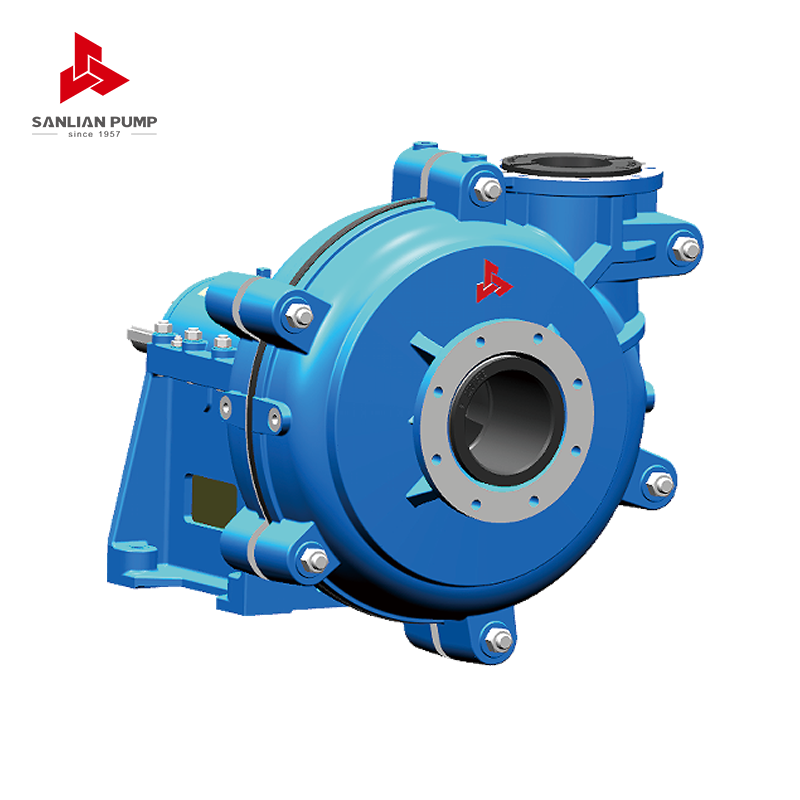
End suction pumps are compact, simple to service, and widely available. They are a common choice for small and medium sprinkler systems where the required flow is moderate and the building height is not extreme. For an end suction option, the 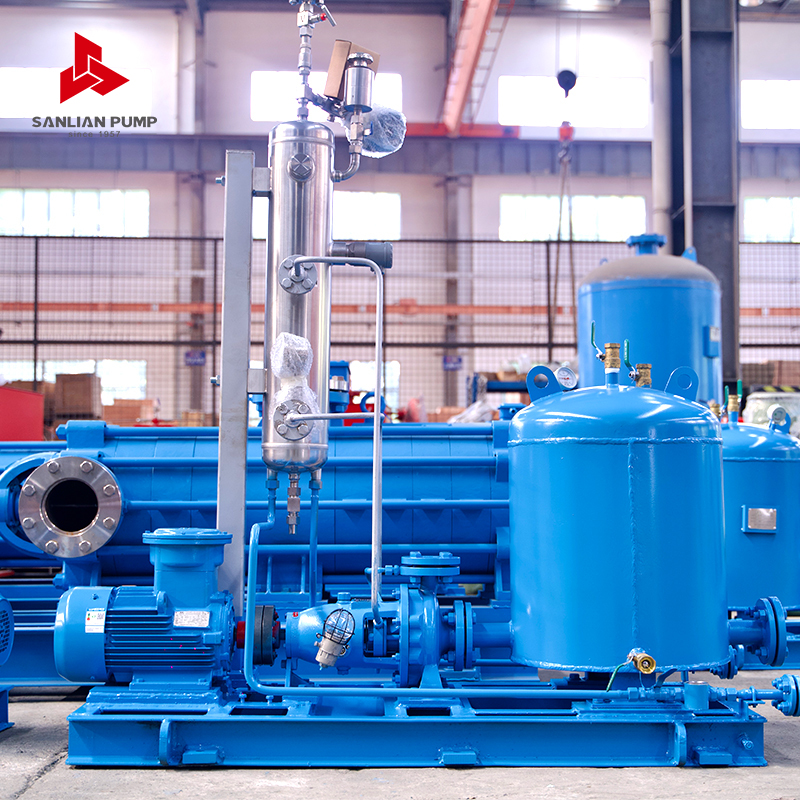 Single-Stage End Suction Clean Water Pump for Mid-Range Fire SystemsThis pump series is designed for clean water transfer in industrial and urban applications. Its back pull-out design simplifies maintenance, and it suits mid-range fire sprinkler systems where moderate flow and head are required.View Product → is a well-proven design in clean water applications, including fire pumps where heads and flows are within the mid-range.
Split case pumps use a double-suction impeller that balances axial forces and helps the pump run quietly and smoothly. Their performance range extends to much larger flows, which makes them suitable for big warehouses, factories, and public buildings. In this category, the 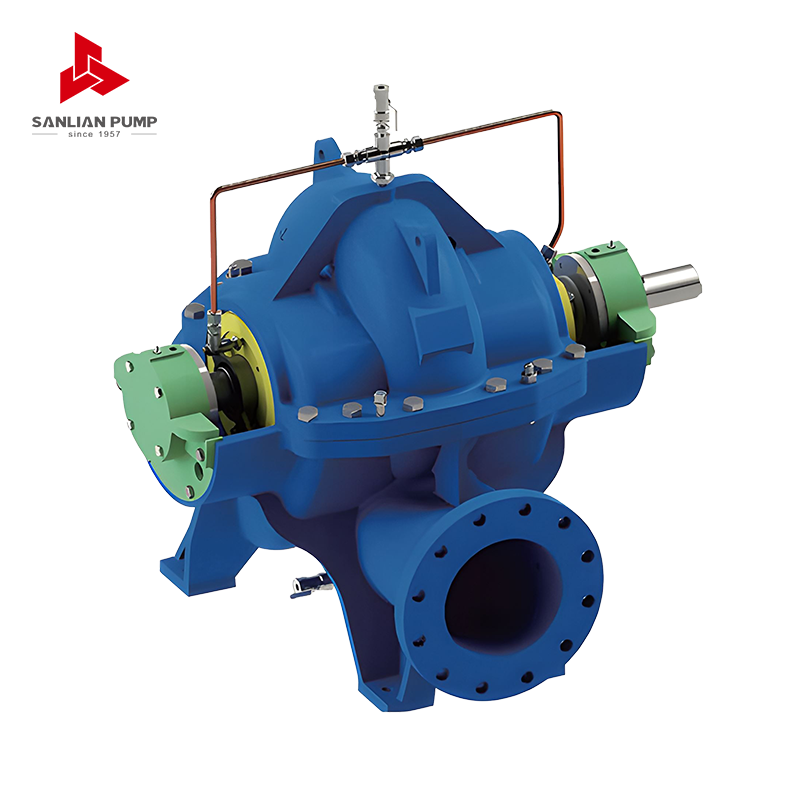 Double-Suction Split Case Centrifugal Pump for Large Flow ApplicationsWith a split casing and double-suction impeller, this pump balances axial forces and handles higher flow capacities, making it a reliable choice for large warehouses, factories, and public buildings with demanding fire protection needs.View Product → is often selected for projects where the system requests greater flow capacity and where the pump is expected to run with minimal vibration.
Table 1. Common fire sprinkler pump types compared by flow, head, and typical application.
| Pump Type |
Typical Flow Range |
Typical Head Range |
Best Application |
| End suction centrifugal pump |
50-1,000 GPM |
50-200 psi |
Small to medium buildings, shops, schools |
| Split case pump |
500-5,000 GPM |
50-250 psi |
Large industrial facilities, airports, warehouses |
| Multistage pump |
50-300 GPM |
100-500 psi |
High-rise buildings, high-pressure zones |
Key Selection Criteria for a Fire Sprinkler Pump
Selecting a fire sprinkler pump is not a matter of picking a pump that looks close enough on a catalog page. Four parameters have to be verified against the hydraulic calculations delivered by the design engineer.
- Flow rate, measured in GPM or L/s. The flow rate must cover the minimum required water supply for the sprinkler layout, usually calculated from the most demanding fire area.
- Head, measured in psi or m. The pump head must overcome the pressure loss from piping, valves, and fittings, plus the static lift required by the building's height.
- Drive type. Electric motor pumps are cost-effective and easy to maintain. Diesel-engine pumps provide independence from the electric grid and are used where power reliability is a concern.
- Code compliance. The pump must meet the applicable national fire protection requirements for sprinkler systems, including performance testing and standby reliability.
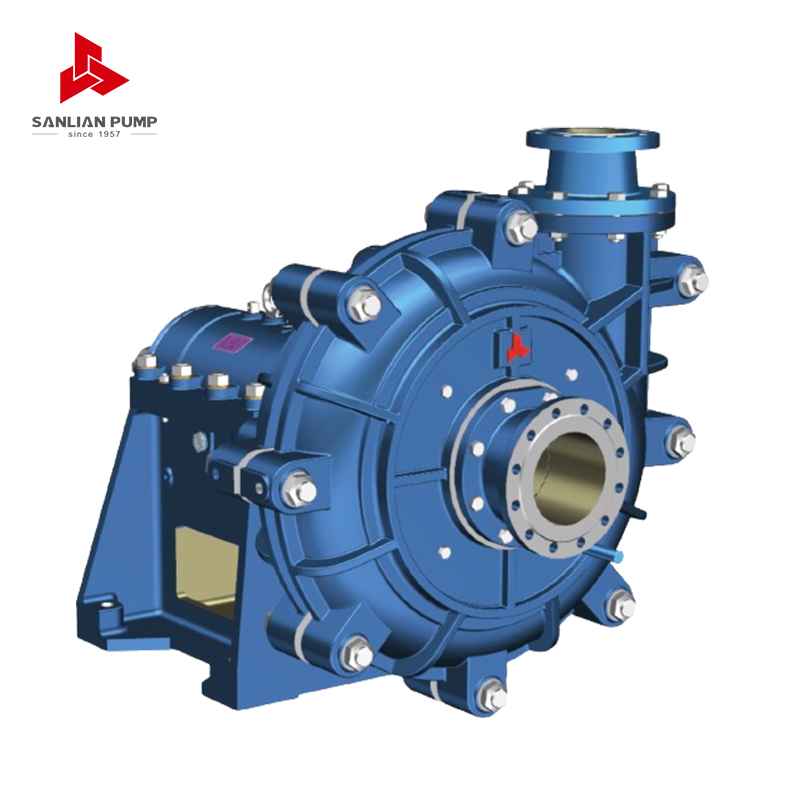
For high-rise projects that need extra pressure, the 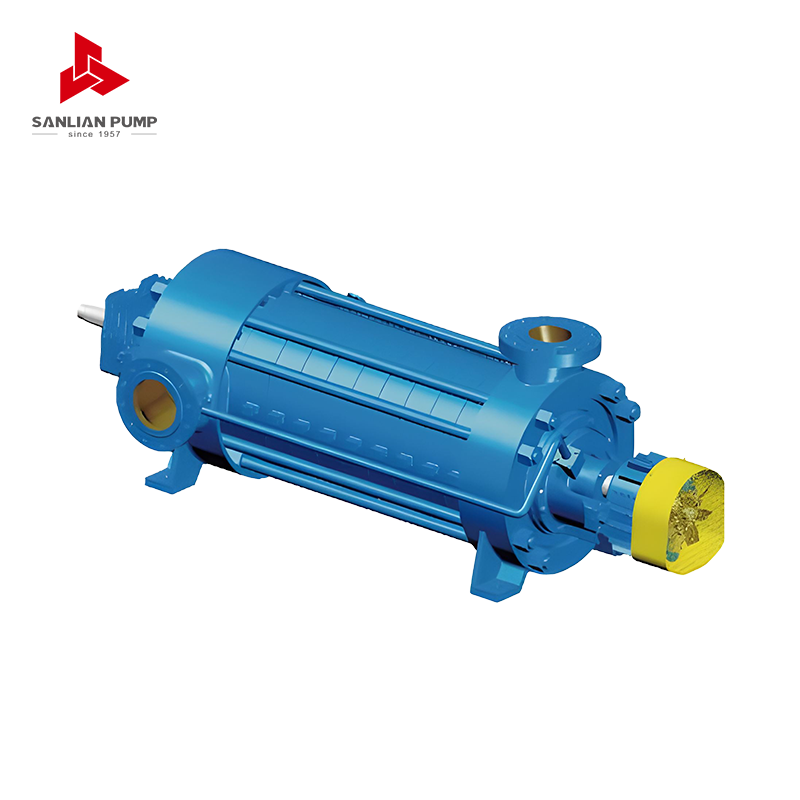 Horizontal Multi-Stage Centrifugal Pump for High-Head and Abrasive ConditionsThis multistage pump delivers high heads and resists wear, suitable for mine drainage or high-rise supply. Its staged design allows for efficient performance where single-stage pumps fall short.View Product → is built for high-head conditions and can be applied when a single-stage pump would not reach the top floors.
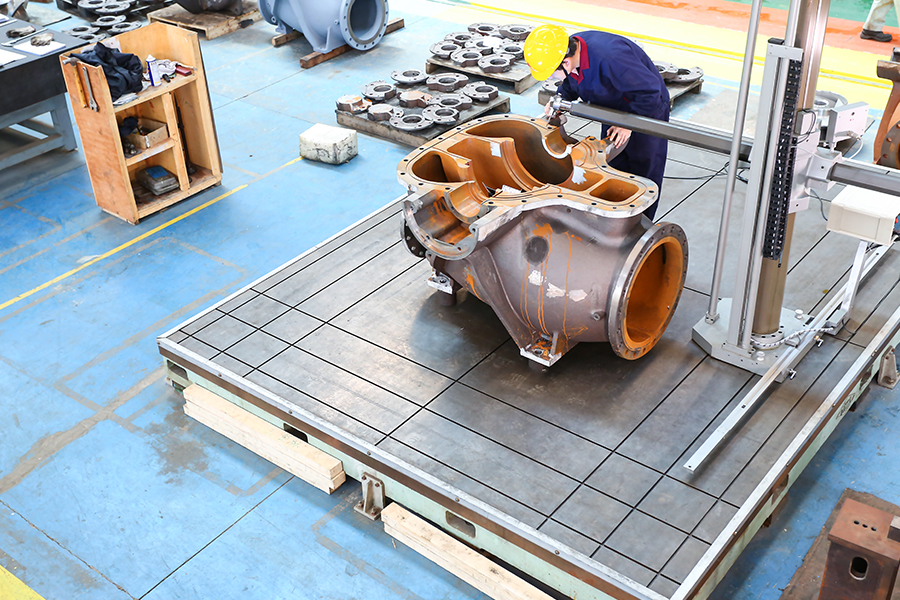
In addition to these four parameters, the pump manufacturer's in-house casting capability matters. The impeller and pump casing are the core components that determine hydraulic efficiency and long-term fatigue life. A manufacturer with its own casting workshop, like Sanlian Pump, can control material quality and dimensional tolerances from the foundry to the final assembly.
In industrial purchasing, the cost of a failed pump goes far beyond the pump price. A plant fire can shut down production for weeks and create liability claims. This is why experienced project teams pay close attention to construction tolerances and material certifications before approving a fire pump.
Installation, Inspection, and Maintenance Considerations
The best fire sprinkler pump in the world will not perform if the installation is wrong. A common failure mode is inadequate suction piping. Long suction lines with too many fittings can cause cavitation, which damages the impeller and reduces the pump's ability to deliver rated flow and pressure.
Fire pumps also need periodic testing. In many jurisdictions, a fire pump is tested at least once a year under no-flow, 100 percent, and 150 percent rated flow conditions. These tests reveal issues such as excessive bearing temperature, unbalanced vibration, seal leakage, or abnormal motor current. Routine testing can catch a small problem before it becomes a failure during a real emergency.
Many international standards recommend an annual full-flow test and a monthly short-run test. The annual test verifies the pump against its rated performance curve. The monthly test proves the pump starts and runs without obscuring problems such as unusual noise, vibration, or leakage.
When a pump sits idle for months, rust and debris can accumulate inside the casing. Many operators therefore run the pump for a short period every month to keep the moving parts lubricated and to detect any change in noise or vibration. Fire pump rooms also need to be kept above freezing temperature to prevent the water around the pump from freezing and damaging the casing.
Fire protection codes often require a backup pump. The backup pump can be a second electric pump or a diesel pump, depending on the facility's risk profile. The goal is simple: the sprinkler system should keep working if one pump fails.
Practical Lessons from Real Fire Pump Installations
Experience from actual projects shows that pump selection and installation are rarely done in isolation. In the China Petroleum Chongqing Fu Niu Xi oil depot fire pump project, the pump had to perform in an explosive atmosphere and work hand in hand with the overall fire alarm and firefighting control system. Such a site demands not only a reliable pump, but also a manufacturer that understands the constraints of the environment.
In another project, the Tianying fire pump project, a dual-pump configuration was adopted. The system allowed one pump to maintain the required pressure while the other unit remained on standby. This design reduces the risk that a single mechanical failure disables the whole sprinkler system.
These fieldwork examples point to a straightforward conclusion. Fire sprinkler pump selection should be based on verified hydraulic calculations, a clear understanding of the site environment, and a supplier with real fire protection experience. A manufacturer that has delivered pumps for oil depots, industrial plants, and similar facilities can usually help project teams avoid predictable mistakes.
A fire sprinkler pump is a safety-critical device. It must respond quickly, run steadily, and keep the water flowing so sprinkler heads can do their job. Choosing the pump on paper, installing it correctly on site, and testing it regularly are the three steps that determine whether the system truly protects people and property.





 English
 中文简体
中文简体 Français
 Español
 Português
 عربى
عربى


 皖公网安备34052302341647号