Key Advantages of Submersible Pumps
Submersible pumps offer several practical benefits that contribute to improved water management efficiency:
- Direct submersion eliminates the need for priming, reducing energy waste and operational downtime
- High pumping efficiency allows for consistent water transfer from wells, tanks, or reservoirs
- Reduced noise and vibration compared to surface pumps, enabling installation in sensitive environments
- Durable construction with corrosion-resistant materials ensures long service life even in challenging water conditions
Applications in Municipal and Industrial Water Management
Municipal water supply systems and industrial facilities rely on submersible pumps for efficient water transfer and wastewater management. Specific applications include:
- Pumping groundwater from deep wells for city water supply
- Handling wastewater and sewage in treatment plants
- Circulating water in industrial cooling systems
- Flood control and drainage in urban areas
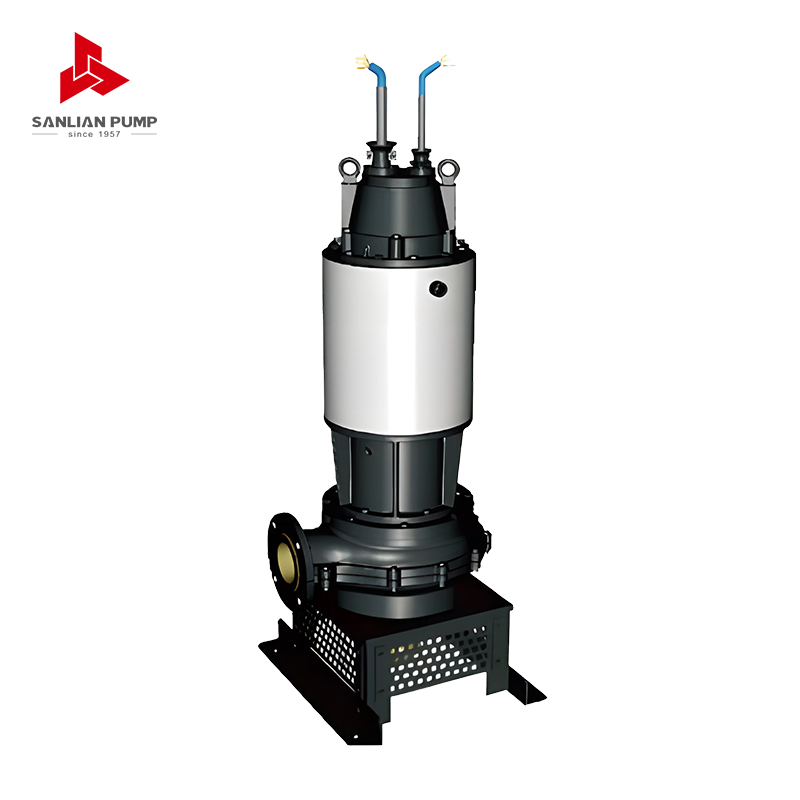
Energy Efficiency and Operational Cost Reduction
Energy efficiency is a critical factor in water management. Submersible pumps achieve this through:
- Direct submersion reduces friction losses compared to surface pumps
- Optimized impeller design for maximum flow at lower energy consumption
- Variable speed options to match water demand, avoiding unnecessary power use
These features lower operational costs while maintaining consistent water delivery, making submersible pumps a cost-effective solution for large-scale water systems.
Design Features that Enhance Efficiency
Several design elements contribute to the high efficiency of submersible pumps:
| Design Feature |
Efficiency Benefit |
| Sealed motor housing |
Prevents water ingress, extending motor life and maintaining consistent performance |
| Optimized impellers |
Reduces energy consumption while maximizing flow rate |
| Corrosion-resistant materials |
Ensures longevity in harsh water conditions, reducing maintenance downtime |
| Compact, submersible design |
Allows installation in confined spaces with minimal energy loss |
Maintenance Practices for Optimal Efficiency
Proper maintenance ensures submersible pumps continue to operate efficiently over their lifespan. Recommended practices include:
- Regular inspection of seals and bearings to prevent water leakage
- Cleaning impellers and screens to avoid blockages and flow reduction
- Monitoring electrical connections and insulation for motor safety
- Lubricating moving parts if required by manufacturer guidelines
Conclusion
Submersible pumps play a critical role in modern water management by combining energy efficiency, durability, and reliable performance. Their design, applications, and maintenance practices directly contribute to optimized water delivery, reduced operational costs, and enhanced resource management. For municipalities, industries, and agricultural operations, submersible pumps remain a practical and effective solution for improving water management efficiency.



 English
 中文简体
中文简体 Français
 Español
 Português
 عربى
عربى

 皖公网安备34052302341647号