Reading a pump curve is one of the first skills any engineer, plant operator, or procurement specialist should master. A pump curve tells you how a pump will perform in your system, how much power it will draw, and where to expect cavitation or wasted energy. With the right reading, you can verify a pump selection in minutes and avoid costly mismatches.
What Is a Pump Curve?
At its simplest, a pump curve is a graphical representation of the relationship between flow rate (Q) and head (H) for a specific pump at a fixed impeller diameter and speed. Most manufacturers publish curves as the result of certified tests, so they represent real performance rather than theoretical guesses. The main line on the curve is the H-Q curve, which shows the total head the pump can generate at every flow rate.
Pump curves are essential because they allow you to match a pump to your system before installation. Instead of approximating whether a pump will deliver enough pressure, you can read the curve and see exactly where it will operate. This is especially important in industrial applications where process stability, energy efficiency, and equipment life all depend on selecting the right operating point.
The Basic Anatomy of a Pump Curve
To read a pump curve properly, you first need to identify all the elements plotted on the chart. The horizontal axis is normally flow rate, with units such as m³/h or L/s. The vertical axis is head, expressed in meters. Other curves, such as efficiency, power, and NPSH required, are often plotted below or superimposed on the main curve.
Key elements of a typical pump performance chart
| Element |
Symbol |
What it tells you |
| Flow rate |
Q |
Volume of liquid delivered per unit time |
| Head |
H |
Energy added to the liquid by the pump |
| Efficiency |
η |
Hydraulic efficiency at a given flow rate |
| Power |
P |
Shaft power required at the pump input |
| NPSH required |
NPSHr |
Minimum suction pressure to prevent cavitation |
The efficiency curve is usually shown as a bell-shaped line. The peak of that line is the best efficiency point (BEP), which is the flow rate where the pump converts input power to hydraulic power most effectively. The power curve tells you the mechanical input needed, and the NPSH required curve indicates the minimum suction condition for stable operation.
How to Read a Pump Curve Step by Step
Follow these five steps to interpret a typical pump curve with confidence.
- Start with your duty point. Define the flow rate and head your system requires. These two values are the starting point for every pump selection.
- Locate flow on the horizontal axis and draw a vertical line up to the H-Q curve. The corresponding value on the vertical axis is the head the pump will produce at that flow.
- Read the efficiency curve at that point. If your operating point falls near the peak of the efficiency curve, you have a healthy selection. If it falls far to the left or right, efficiency drops and energy costs rise.
- Check the power curve. This tells you the shaft power the pump will draw at the duty point. Use this value to size the motor and avoid overloading.
- Compare NPSH required with NPSH available. Read the NPSHr value from the lower curve at your operating flow. Your system must provide more available NPSH than this value, or cavitation will occur.
Remember that every point on the pump curve is a valid operating point. The question is not whether the pump can run there, but whether it runs efficiently and safely over the expected range of conditions.
Understanding the System Curve and Operating Point
Reading a pump curve in isolation is not enough; you must also consider the system resistance. The system curve shows the total head, including static elevation plus friction losses through pipes, valves, and equipment, required at different flow rates. When you superimpose the system curve on the pump H-Q curve, the intersection is the actual operating point.
If the operating point falls to the right of the BEP, the pump is moving more liquid than intended, efficiency drops, and power consumption can climb. If it falls far to the left, the pump may operate in recirculation and experience temperature rise, vibration, or even mechanical damage. This principle applies across industries, from municipal water supply to mining dewatering systems, where reliable operation depends on a correctly matched pump and system.
In practice, we often adjust the pump curve by changing the impeller diameter or rotational speed. Trimming the impeller shifts the H-Q curve downward, while running at a different speed follows the affinity laws. Both adjustments allow the pump to match a changing system curve without replacing the entire unit.
Pump Curve Adjustments for Different Applications
Different pump designs produce different curve shapes. Understanding those shapes helps you match the right machine to the service. Flat curves are common for centrifugal pumps and provide stable operation; steep curves are useful when a relatively small change in flow must produce a significant change in head. Let us look at three common types.
End-Suction Centrifugal Pumps
End-suction pumps are the workhorses of clean-water applications. Their H-Q curves are relatively flat and stable, which makes them easy to control across a wide operating range. They are widely used for booster stations, HVAC systems, irrigation, and general plant service.
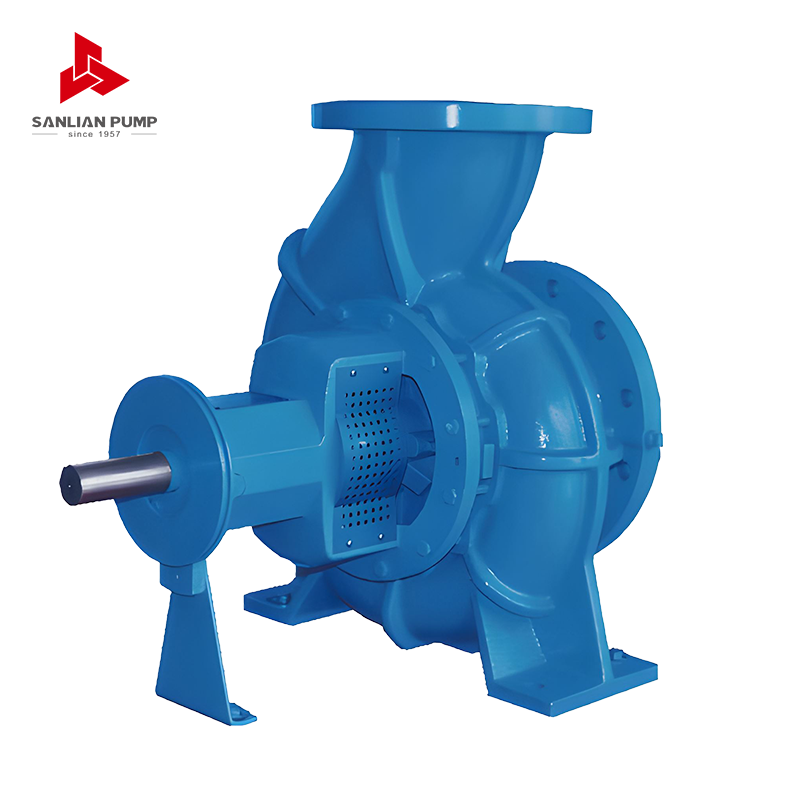 SPE Series Horizontal End-Suction Centrifugal PumpThis single-stage end-suction pump suits clean water and similar media in factories, mines, urban supply, drainage, and irrigation. Its stable curve makes it easy to control across a wide range.View Product →
Multistage Centrifugal Pumps
When you need high pressure from a modest footprint, multistage pumps stack several impellers in series. Their curves are steeper, and head rises significantly as flow decreases. This behavior is often ideal for boiler feed, mining dewatering, and high-pressure washing applications where a stable pressure must be maintained.
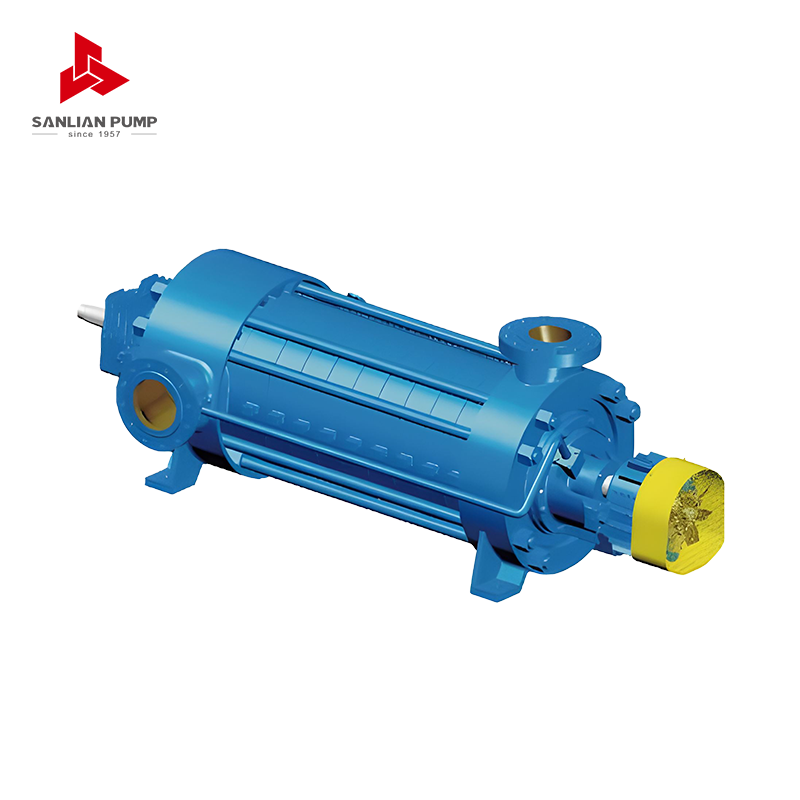 MD(S) Series Multistage Centrifugal Pump for Mine DrainageThis segmented multi-stage pump offers wear-resistant design and long service life, handling water with up to 1.5% solids. It suits mine dewatering and high-pressure duties where stable head is critical.View Product →
Slurry Pumps
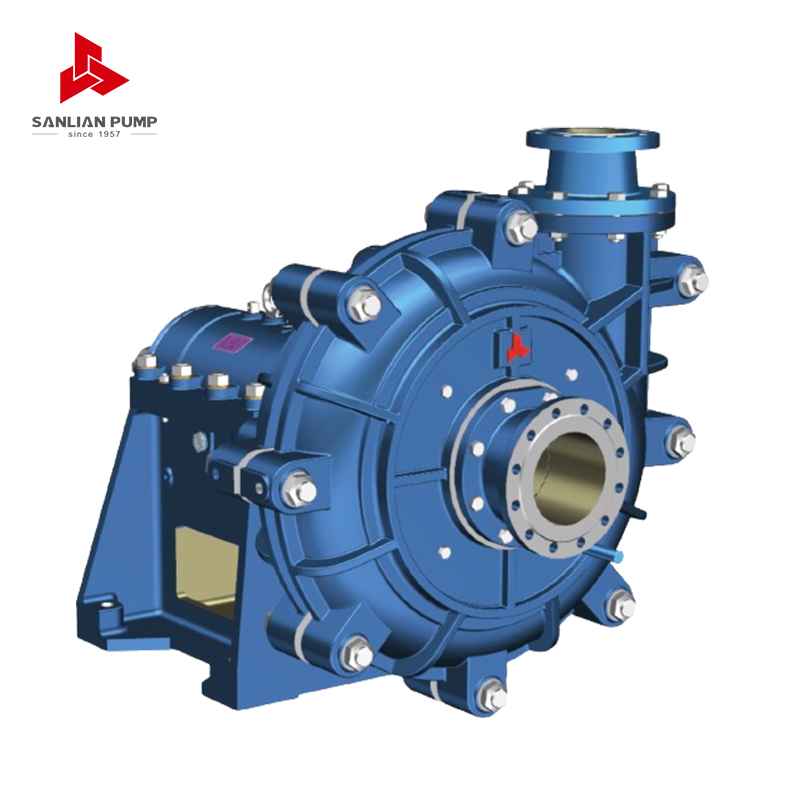
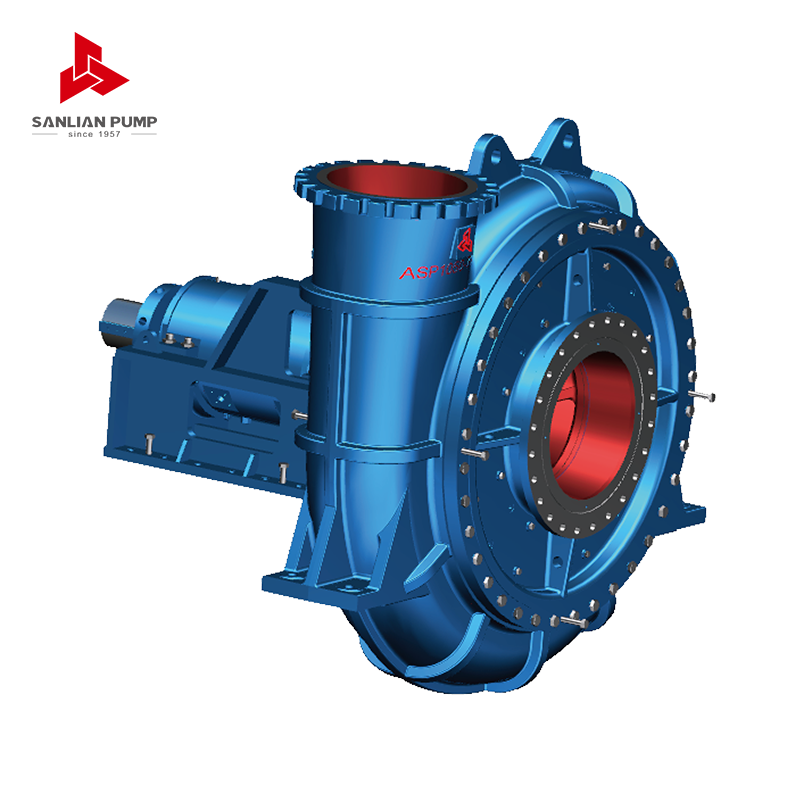
Slurry pumps are built to handle abrasive solids. Their curves typically show lower head per stage and wider internal clearances. The power curve can rise steeply, so it is especially important to read the curve carefully to avoid overloading the motor when the solids concentration or slurry density increases.
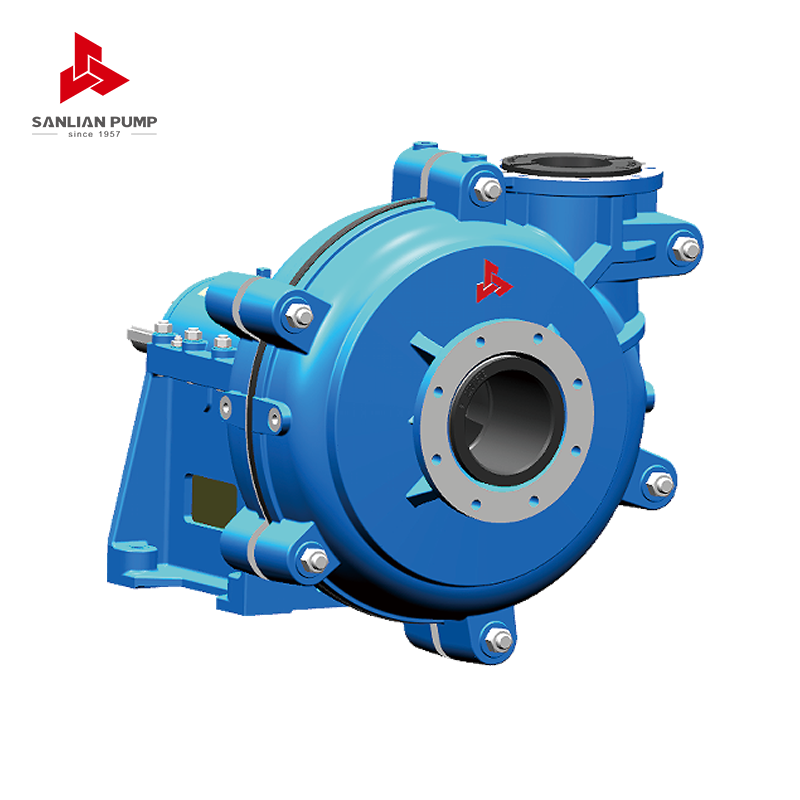 AH Series Horizontal Slurry PumpBuilt for abrasive slurries in mining, metallurgy, and coal industries, this cantilever pump handles high-concentration, corrosive media. Its wide internal clearances help manage solids up to 60% concentration.View Product →
Common Mistakes When Reading Pump Curves
Even experienced engineers sometimes misread a pump curve. Avoid these frequent errors when evaluating performance data.
- Using a generic curve instead of the certified curve. Always request the curve that matches your exact impeller diameter and speed.
- Ignoring the effect of fluid viscosity. Pump curves are usually based on water. For viscous fluids, the curve must be corrected for head, flow, and efficiency.
- Forgetting that the curve applies only at one speed and impeller diameter. Any change in speed or trim diameter moves the entire curve.
- Neglecting the NPSH margin. A high NPSHr at the operating point can cause cavitation even if the H-Q performance looks acceptable.
- Selecting a pump too far away from its best efficiency point. This leads to higher energy costs and faster component wear.
A careful review of all available curves, including part-load behavior and minimum stable flow, helps prevent these problems.
Conclusion
Learning how to read a pump curve is not difficult, but it requires attention to detail. Once you understand the H-Q relationship, efficiency, power, and NPSH, you can quickly evaluate a pump, predict its behavior in your piping network, and make smarter purchasing decisions. If you need help applying these concepts to your next project, our engineering team reviews curves every day and is ready to assist through our contact page.




 English
 中文简体
中文简体 Français
 Español
 Português
 عربى
عربى


 皖公网安备34052302341647号