Chemical dosing is the controlled addition of a measured quantity of chemical into a process stream so that a specific treatment goal is met: a pH setpoint, a chlorine residual, a phosphate limit, or a coagulant concentration that keeps filters working at design rate. The chemical is only half of the story. The other half is the system that delivers it, where pumps, tanks, piping, valves, instruments and controls work as one unit.
When dosing drifts, the consequences usually arrive in pairs: an unnecessary chemical bill on one side and a compliance headache on the other. That is why experienced operators treat dosing as a precision discipline rather than a simple injection task.
What Is Chemical Dosing and Why Precision Matters
In practice, chemical dosing means injecting a liquid chemical into water, wastewater, slurry or a process stream at a controlled rate. The control can be as basic as a manual stroke setting, or as advanced as a flow-paced, residual-trimmed metering pump under PLC supervision. Most dosing programmes aim at one or more of the following:
- pH correction: adding acid or alkali to bring a stream into range before discharge, reuse or further treatment.
- Disinfection: feeding hypochlorite, chlorine dioxide or peroxide to hold a required residual.
- Coagulation and flocculation: dosing alum, PAC or ferric salts so suspended solids form settleable flocs.
- Scale and corrosion control: protecting pipelines, heat exchangers and membranes with inhibitors.
- Nutrient removal and process conditioning: precipitating phosphorus, or feeding oxygen scavengers, antifoam and biocides.
Precision matters because treatment chemicals sit in a narrow window between ineffective and wasteful. Underdose, and a plant fails its permit, fouls membranes or loses disinfection credit. Overdose, and the operator pays for chemical that never did useful work, while residual carryover can upset downstream biology. Good dosing holds the delivered dose close to the calculated requirement, shift after shift.
How a Chemical Dosing System Works
A dosing system is a chain of small duties: chemical is stored, drawn from the tank, pressurised to overcome line losses and injection pressure, measured, injected, mixed, and then verified by a sensor that reports back to the controller. Any weak link shows up as an unstable residual or constant pump adjustment.
Typical Elements and What Each One Does
Core elements of a chemical dosing system and what each one contributes to accurate, repeatable dosage.
| Element |
Purpose |
What to Check |
| Storage tank |
Holds the working solution and supplies steady suction. |
Material compatibility, bunding, level indication. |
| Dosing pump |
Delivers a precise, repeatable volume against system pressure. |
Accuracy across the turndown range, not only at rated duty. |
| Suction line and strainer |
Keeps crystals, sediment and debris out of the pump. |
Clean or replace elements on a fixed schedule. |
| Calibration column |
Lets the operator measure the real delivered volume. |
Keep it clean, full and clearly marked. |
| Injection quill and mixing point |
Introduces chemical where the flow can disperse it quickly. |
Position in the turbulent core, away from the pipe wall. |
| Instrumentation and controller |
Measures the result and converts it into pump commands. |
Verify analysers against grab samples and record deviations. |
The control philosophy decides how smooth the operation feels. Flow-paced dosing ties pump output to process flow, which suits neutralisation and coagulation where load follows volume. Residual-paced dosing trims output from an analyser signal, which suits disinfection and duties where demand changes faster than flow. Many plants use both, with flow as the coarse signal and residual as the fine one.
Dosing Methods and Pump Technologies
Manual dosing relies on an operator setting stroke length and checking the result with a test kit, which is still useful in small plants. Semi-automatic systems add flow pacing or timer control, while fully automatic systems close the loop with online analysers, PID control and data logging, which is where most modern water and process plants sit.
Because dosing needs a known volume per stroke rather than a pressure-driven flow, positive displacement designs dominate. Diaphragm metering pumps offer excellent repeatability with a seal-free liquid end. Peristaltic pumps suit low flows and shear-sensitive chemicals, and are inexpensive to maintain because only the tube wears. Plunger pumps handle higher pressures where a packed seal can be maintained.
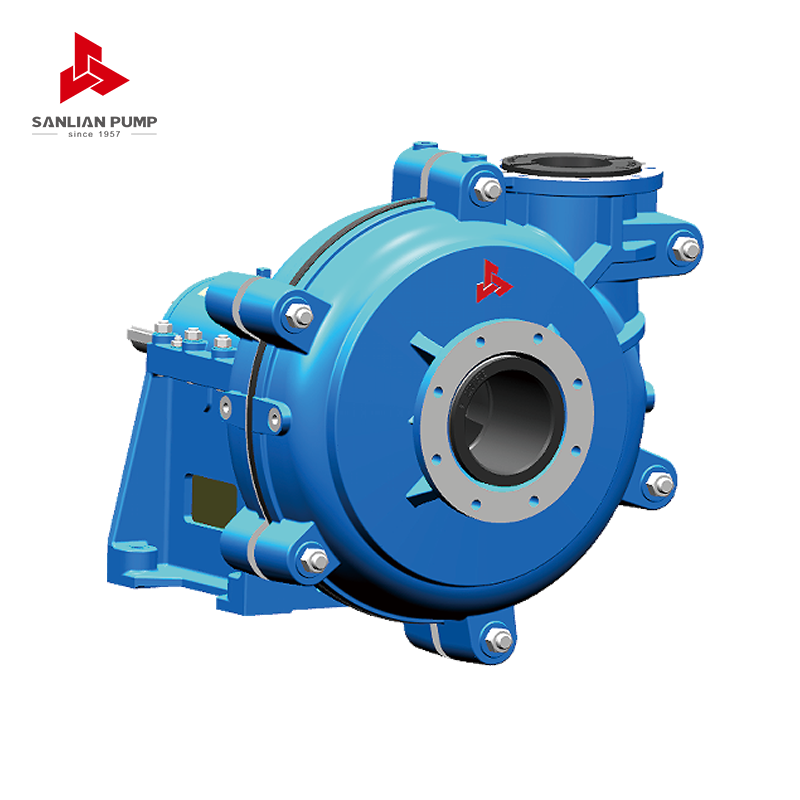
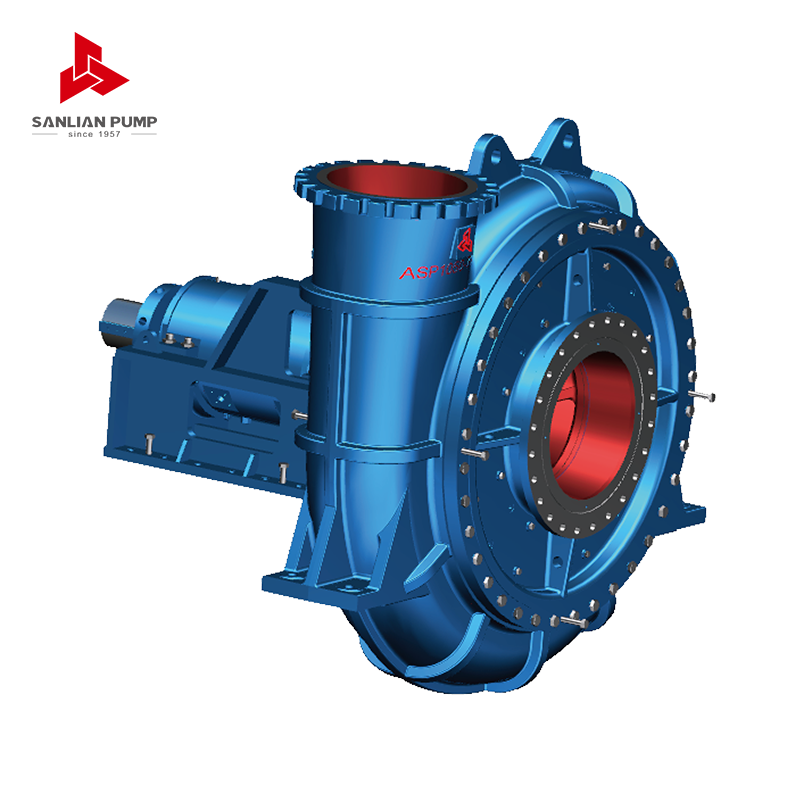
Not every litre of chemical on site passes through a metering pump. Bulk transfer, day-tank filling and dilution loops often call for a chemical process pump that tolerates aggressive liquids over long hours. The ASP series chemical pumps are built for that duty, with corrosion-resistant wetted parts and a hydraulic design that keeps vibration and seal loading low, making them a practical complement to the metering pumps that handle the final, accurate injection.
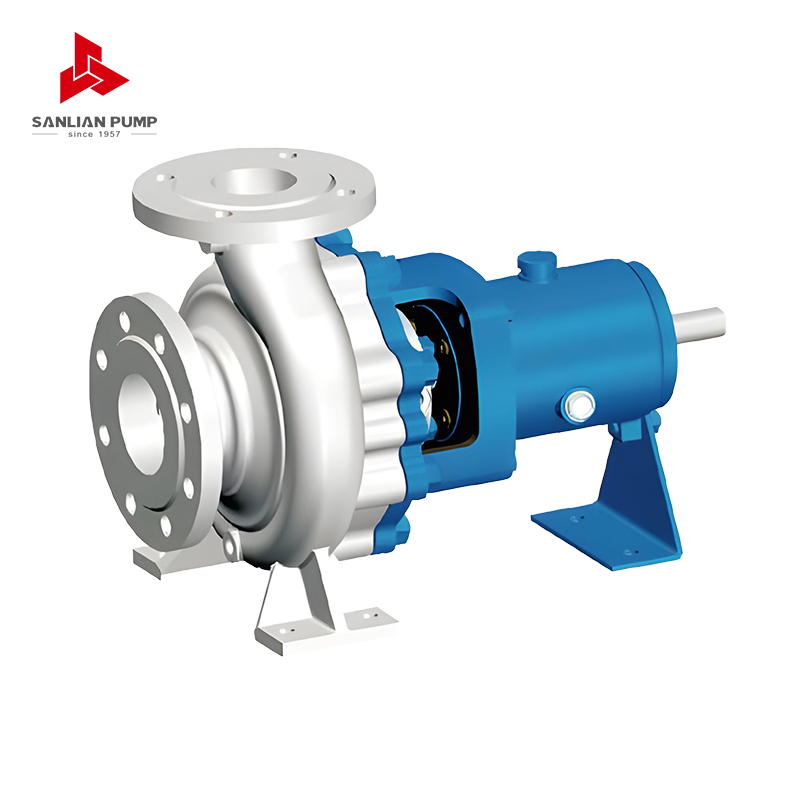 ASP5010 series chemical pumpASP5010 series chemical pump is a single-stage single-suction cantilever centrifugal pump, designed according to the international standard ISO2858/IS05199, with scien...View Product →
Where Chemical Dosing Is Used
Dosing appears wherever water or a process liquid has to be held to a specification. Typical settings include:
- Municipal drinking water: coagulation, pH correction and disinfection.
- Wastewater treatment: phosphorus precipitation, odour control and effluent neutralisation.
- Industrial process water: boiler and cooling water treatment, membrane antiscalant dosing.
- Mining and mineral processing: flotation pH control, cyanide destruction and tailings conditioning.
- Power generation and petrochemical: flue gas desulphurisation chemistry and corrosion inhibitor injection.
- Food and pharmaceutical: CIP chemistry, sanitisation and controlled neutralisation.
How to Size and Select a Dosing Pump
Selection is a sequence of small decisions, and skipping one usually returns as an unstable residual or a failed diaphragm. Work through these in order:
- Define the dose: chemical strength, target concentration and peak demand per hour.
- Establish flow and pressure: the pump must cover the full range against injection pressure plus line losses.
- Check compatibility: wetted materials must suit the concentration, temperature and any solids present.
- Confirm accuracy and turndown: performance at 20 percent of rated output matters as much as at 100 percent.
- Choose the control mode: manual stroke, flow-paced, residual-paced or a combination.
- Plan redundancy and spares: duty and standby pumps, standard diaphragms and accessible valves.
Materials deserve a second look. Hypochlorite, ferric chloride, sulphuric acid and caustic soda each attack different alloys and elastomers, so the right pump for one chemical is the wrong choice for another. Select the wetted path against the chemical data sheet, then confirm how the pump behaves at the extremes of its range.
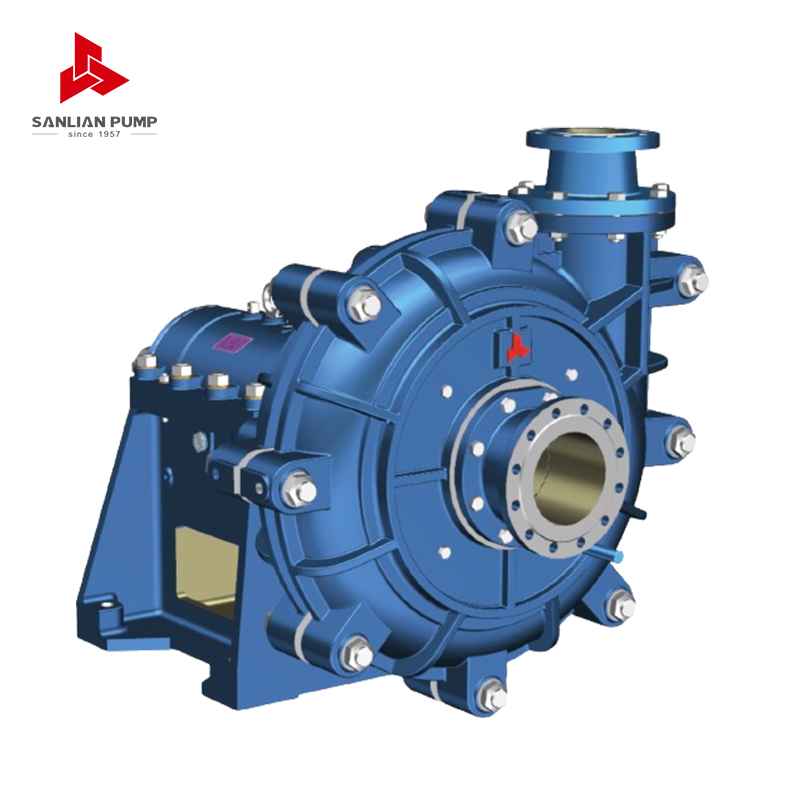
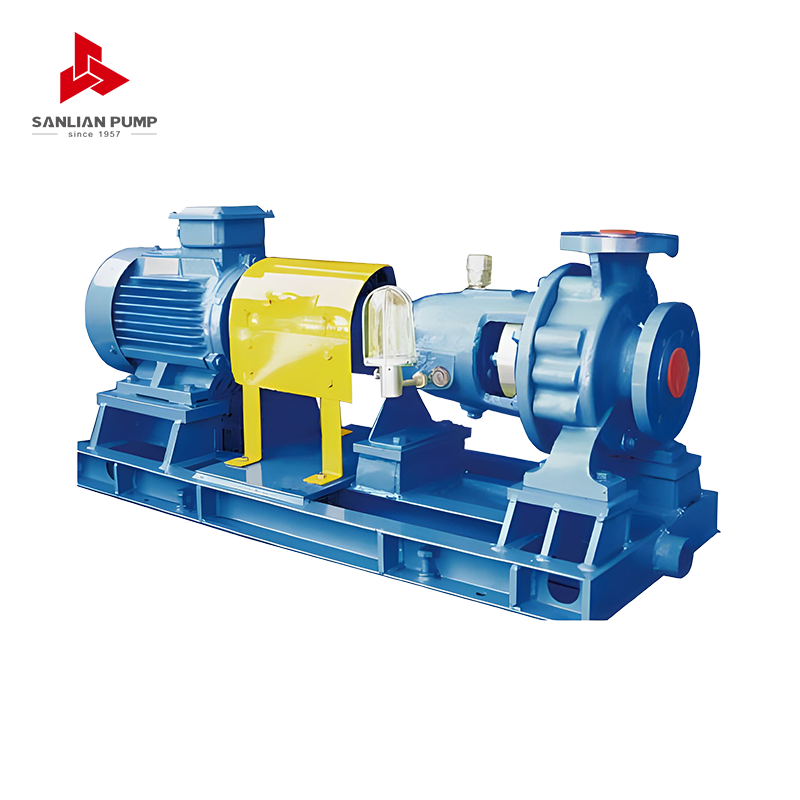 ASP5020 series chemical pumpASP5020 series standard chemical pumps are designed as horizontal, single-stage, single-suction, volute-type, foot-supported, cantilever centrifugal pumps. Its design ...View Product →
Optimizing Performance, Safety and Maintenance
A system that was accurate at commissioning can drift within weeks if nothing is checked. A simple routine keeps it honest:
- Calibrate each pump against a measured volume quarterly and after any valve or diaphragm change.
- Replace diaphragms, seals, check valves and tubing on the recommended interval, not after a failure.
- Verify analysers with grab samples and record the deviation so trends stay visible.
- Keep strainers, foot valves and injection quills clean, because partial blockages look exactly like pump wear.
- Store chemicals at the specified concentration and temperature, and recirculate where settling is likely.
- Fit secondary containment, drip trays and pressure relief, and inspect them after every delivery.
Safety and accuracy are not competing goals. A stable dosing regime usually means a tidy, well-labelled chemical area with the right personal protective equipment within reach, because operators who can work safely tend to keep the system in calibration.
Practical Experience from Chemical and Industrial Projects
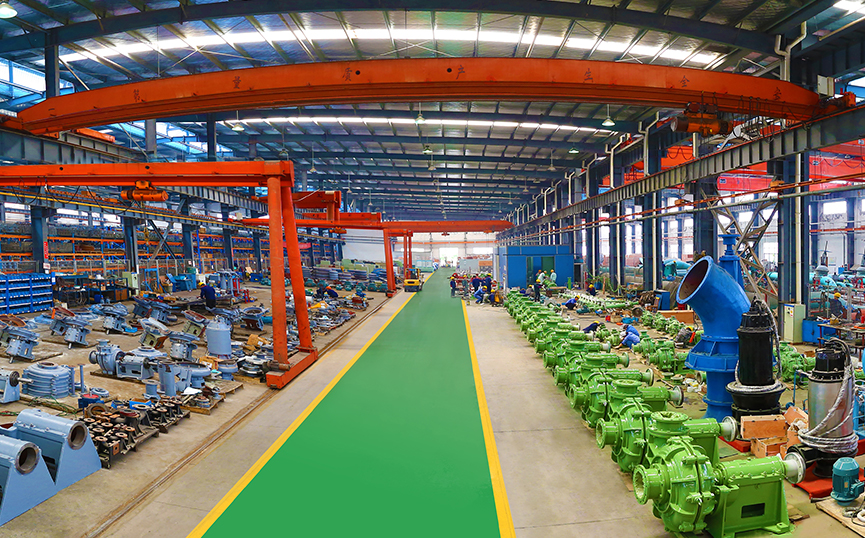
Dosing reliability is ultimately an equipment and experience question. Sanlian Pump Industry has manufactured pumping equipment since 1957 and now combines research, design, casting, production and sales in one organisation, with more than 500 technical staff and service offices in over 30 locations worldwide. That combination matters when a project needs more than a catalogue pump: the foundry produces impellers, pump housings and structural castings, while the engineering team sizes complete fluid transfer and treatment packages.
For chemical duty, the ASP range covers a broad band of flows and pressures, from smaller dosing and dilution circuits to the larger transfer duties that feed them. In corrosive and hazardous environments, pump selection is often the difference between a predictable process and a maintenance calendar full of surprises, a subject covered in our guide to chemical pumps handling aggressive fluids.
Dosing decisions rarely stand alone either. They sit inside a wider water or process scheme, and it helps to see how similar systems were configured elsewhere. Our chemical industry projects include soda ash, potash, petrochemical and fertiliser installations where dosing accuracy, corrosion resistance and long service intervals were all part of the specification.
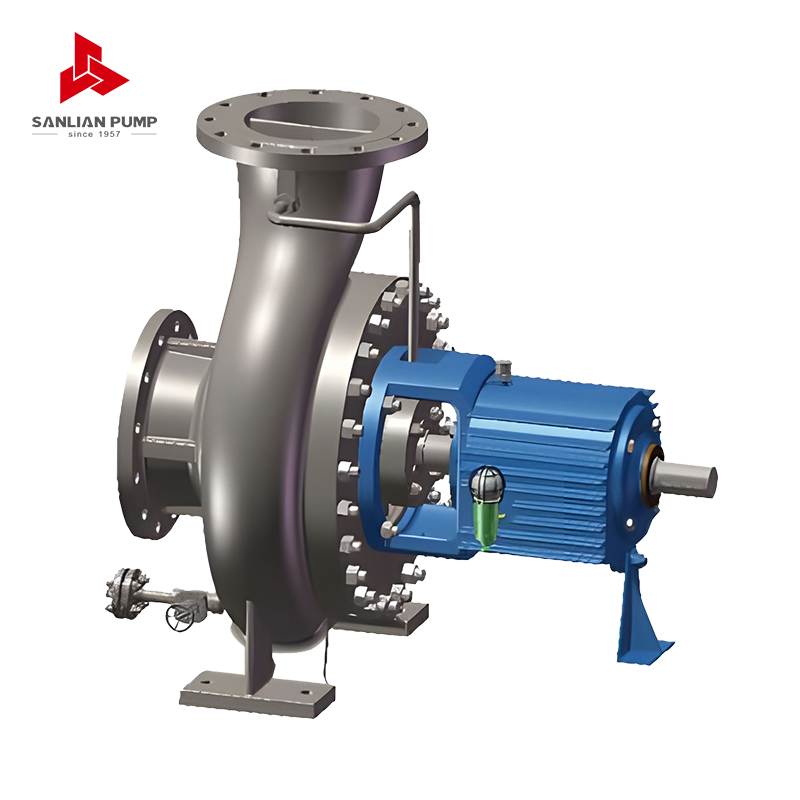 ASP5030/ASP5040 Chemical Pumpp≤2.5MPa(ASP5030)、p≤5.0MPa(ASP5040)View Product →
Final Thoughts
Chemical dosing rewards planning more than improvisation. Decide what the dose is meant to achieve, size the pump for the full range of duty rather than the average, match materials to the chemistry, and close the loop with instrumentation the operators trust. Do that, and dosing becomes an unremarkable part of the day, which is exactly how a well-run plant should feel.




 English
 中文简体
中文简体 Français
 Español
 Português
 عربى
عربى

 皖公网安备34052302341647号