Slurry pumps operating in abrasive diamond slurries and mining applications are exposed to extremely harsh working conditions. High solid concentrations, sharp particles, and continuous impact place severe demands on pump components. Material selection is therefore a critical factor that directly affects wear life, maintenance frequency, and overall operating cost. Choosing unsuitable materials can result in rapid erosion, unexpected downtime, and reduced pumping efficiency.
This article focuses on practical material selection principles for slurry pumps used in abrasive diamond slurries and mining environments. It examines how different materials perform under high-abrasion conditions and explains how operating parameters influence material choice.
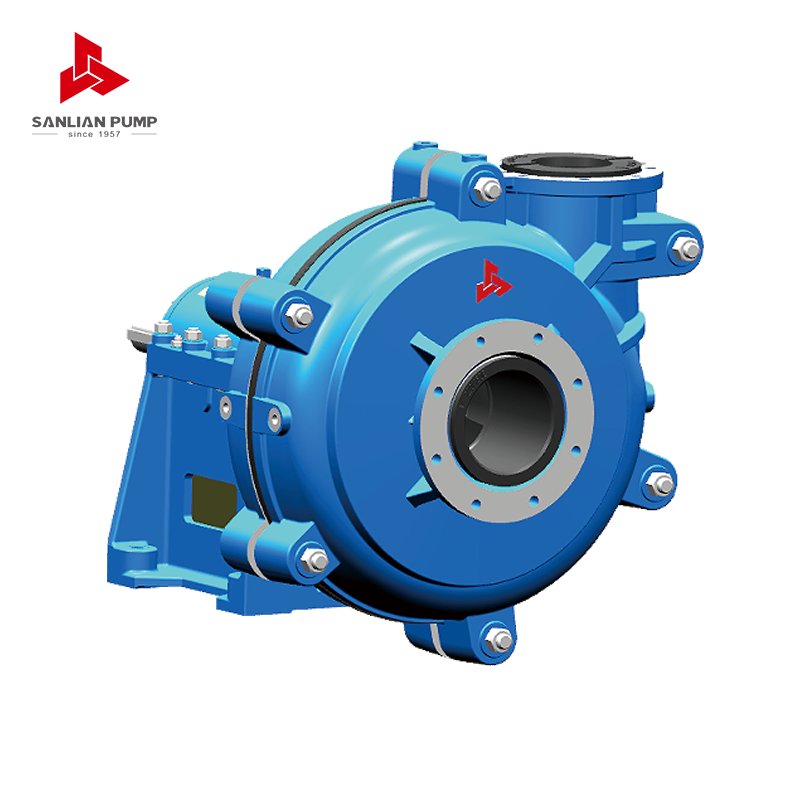
Characteristics of Abrasive Diamond Slurries and Mining Slurries
Diamond slurries and mining slurries share similar abrasive characteristics, but their wear mechanisms can differ depending on particle shape, hardness, and flow velocity. Diamond slurries typically contain extremely hard particles with angular edges, while mining slurries may include a wider range of minerals, particle sizes, and solid concentrations.
Understanding these characteristics is the foundation of effective material selection. The dominant wear mode is usually abrasive wear, but erosion, impact wear, and corrosion can also occur simultaneously.
- High particle hardness leading to aggressive abrasion of wetted components
- Angular particle geometry increasing cutting and gouging wear
- High slurry velocity accelerating erosive wear
- Variable solid concentration affecting wear rate and flow behavior
Key Slurry Pump Components Affected by Abrasion
In abrasive diamond slurries and mining applications, not all pump components experience the same level of wear. Certain parts are exposed to higher velocity zones and particle impact angles, making material selection for these components especially important.
Impeller and Liner Wear Zones
The impeller and liners are typically the most severely worn components. The impeller experiences continuous particle impact at varying angles, while liners are subjected to sliding abrasion and erosion along the flow path. Materials selected for these parts must balance hardness and toughness to resist both cutting and impact damage.
Shaft Sleeve and Throatbush Exposure
Shaft sleeves and throatbushes protect critical structural components from slurry ingress. Although these parts may see lower flow velocity, they are still exposed to fine abrasive particles. Poor material choice can result in premature sealing failure and secondary damage to bearings and shafts.
Common Materials Used for Slurry Pumps in Abrasive Conditions
Several material categories are commonly used for slurry pumps handling abrasive diamond slurries and mining slurries. Each material offers distinct advantages depending on slurry composition and operating conditions.
| Material Type |
Primary Advantage |
Typical Application |
| High-Chrome White Iron |
Excellent abrasion resistance |
Diamond slurries with high particle hardness |
| Rubber Linings |
Good resistance to fine particle wear |
Low to medium particle size mining slurries |
| Polyurethane |
Balanced wear and flexibility |
Moderate abrasion with reduced impact |
| Alloy Steel |
High toughness |
Impact-dominant mining applications |
Material Selection Considerations for Diamond Slurry Applications
Diamond slurries are among the most abrasive media encountered in slurry pumping. The extreme hardness of diamond particles causes rapid cutting wear on softer materials. As a result, high-chrome white iron is often preferred for impellers and liners due to its high hardness and resistance to micro-cutting.
However, high hardness materials may be brittle under impact loading. In applications where particle impact angles vary or sudden flow changes occur, material toughness must also be considered. In such cases, a compromise between hardness and impact resistance becomes necessary.
Material Selection Considerations for Abrasive Mining Applications
Abrasive mining applications often involve mixed particle sizes and varying mineral compositions. While abrasion remains the dominant wear mechanism, impact wear can become significant in coarse slurry conditions. Material selection must therefore account for both wear intensity and mechanical shock.
Rubber and polyurethane linings are commonly used where fine particles dominate, as their elastic properties allow them to absorb energy and reduce wear rates. For coarse or sharp particles, high-chrome alloys or alloy steels may provide more consistent service life.
Balancing Wear Life and Maintenance Strategy
Material selection should not focus solely on maximum wear resistance. Maintenance strategy, component replacement intervals, and overall lifecycle cost are equally important. In some cases, materials with slightly lower wear resistance but easier replacement or lower cost may offer better long-term value.
Selecting materials based on actual operating data, rather than theoretical hardness alone, allows slurry pumps to achieve more predictable performance in abrasive diamond slurries and mining applications.
Conclusion
Effective material selection for slurry pumps in abrasive diamond slurries and mining applications requires a clear understanding of slurry characteristics, wear mechanisms, and operating conditions. By carefully matching material properties to application demands, it is possible to extend component life, reduce downtime, and improve overall pumping efficiency. Thoughtful material selection remains one of the most practical ways to improve slurry pump reliability in high-abrasion environments.


 English
 中文简体
中文简体 Français
 Español
 Português
 عربى
عربى

 皖公网安备34052302341647号