Understanding Long-Shaft Submersible Pumps
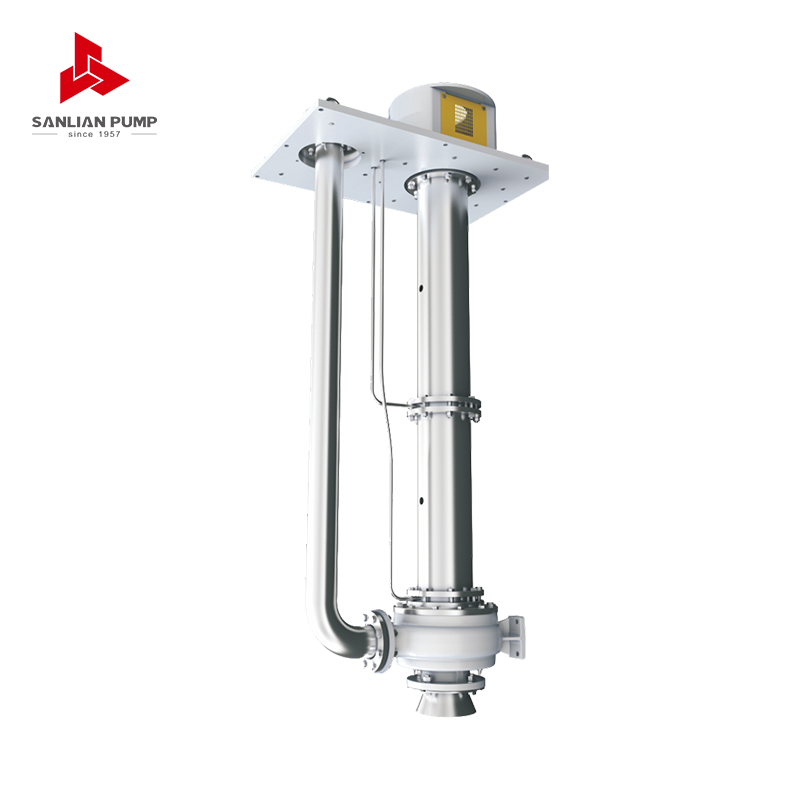
Long-shaft submersible pumps are specialized pumps designed for applications where water or liquid needs to be transferred from deep wells, reservoirs, or industrial basins. The "long shaft" allows the motor to remain above the liquid level while the impeller operates at depth, making them ideal for flood control, mining, water treatment, and large-scale irrigation projects. Their design allows for high efficiency, minimal cavitation, and reliable operation under varying water levels and challenging environmental conditions.
Key Factors in Pump Selection
Selecting the right long-shaft submersible pump requires a systematic evaluation of several technical characteristics. Each factor directly influences operational efficiency, maintenance needs, and overall lifespan.
Flow Rate and Head Requirements
Understanding the required flow rate and head is fundamental. The flow rate, measured in cubic meters per hour (m³/h) or liters per second (L/s), dictates the pump's capacity to handle the intended volume. The total head, representing the energy required to lift the liquid, combines static lift, friction losses, and any system pressure requirements. A mismatch in these parameters can lead to poor efficiency, excessive wear, or cavitation.
Material Compatibility
Pump materials must withstand the chemical composition and temperature of the pumped fluid. Common materials include:
- Stainless steel for corrosion resistance in acidic or alkaline fluids.
- Cast iron for general-purpose water pumping and moderate abrasion.
- Alloy steels or bronze for abrasive or high-temperature liquids.
Evaluating material properties helps avoid premature wear, scaling, or chemical degradation that could compromise performance.
Motor Power and Efficiency
The motor’s rated power must match the hydraulic requirements of the system. Oversizing leads to unnecessary energy consumption, while undersizing can cause motor overheating and premature failure. Efficiency ratings, often indicated by IE standards, reflect the electrical-to-hydraulic conversion efficiency, with higher ratings reducing operating costs over the pump’s lifecycle.
Shaft Design and Length Considerations
The shaft length is critical to ensure proper placement of the impeller in the liquid. Long shafts must resist bending and torsion forces while maintaining alignment between the motor and the impeller. High-quality bearings and shaft materials prevent vibration, reduce wear, and ensure operational stability. Consideration should be given to:
- Shaft diameter and rigidity to prevent deflection.
- Coupling methods to accommodate thermal expansion or misalignment.
- Sealing design to prevent leakage along the extended shaft.
Pump Impeller and Wear Protection
The impeller type and wear-resistant features significantly impact performance and service life. Long-shaft pumps often use single-stage or multi-stage impellers depending on the required head. Key considerations include:
- Closed impellers for high efficiency in clean water applications.
- Open or semi-open impellers for handling solids-laden liquids or abrasive materials.
- Hard-facing or replaceable wear rings to extend component life.
Pump Sealing Systems
Proper sealing is critical for preventing water ingress into the motor and bearing housing. Long-shaft submersible pumps typically use mechanical seals, lip seals, or gland packing. Factors to evaluate include:
- Seal material compatibility with fluid chemistry and temperature.
- Pressure rating to withstand system backflow.
- Ease of maintenance and replacement.
Installation and Maintenance Considerations
Installation procedures and accessibility for maintenance are crucial for ensuring longevity. Factors include:
- Mounting structure stability to minimize vibration and misalignment.
- Ease of access to the motor, bearings, and impeller for routine inspection.
- Provision for lubrication, cooling, and shaft alignment checks.
An optimized installation reduces operational downtime and ensures consistent pump performance.
Energy Efficiency and Control Systems
Modern long-shaft pumps can incorporate variable frequency drives (VFDs) and monitoring systems for improved energy efficiency. Benefits include:
- Adjustable flow and head to match real-time demand.
- Reduced energy consumption by optimizing motor speed and load.
- Predictive maintenance alerts to prevent unexpected failures.
Economic Considerations
While initial cost is an important factor, total lifecycle cost should guide selection. Energy efficiency, maintenance frequency, and expected service life influence long-term operational expenditure. Choosing a pump with a slightly higher upfront investment but superior reliability and efficiency often reduces overall costs and improves system performance.
Conclusion: Making an Informed Selection
Selecting a long-shaft submersible pump requires careful evaluation of flow rate, head, materials, motor power, shaft design, impeller type, sealing systems, installation requirements, energy efficiency, and economic factors. By systematically analyzing these characteristics, engineers and operators can ensure optimal pump performance, reliability, and longevity for industrial or municipal applications. A well-chosen pump reduces maintenance, prevents downtime, and supports efficient fluid handling across a wide range of operational scenarios.



 English
 中文简体
中文简体 Français
 Español
 Português
 عربى
عربى

 皖公网安备34052302341647号