The Hammering Sound in Water Pipes Is a Warning, Not a Failure
When you turn off a tap or a washing machine fills and stops, you may hear a thud or a series of bangs from inside the wall. In most homes, that sound is water hammer—a pressure surge caused by suddenly stopping water moving inside a pipe. The noise itself is not always dangerous, but it can loosen fittings, strain valves, and over time shorten the life of your plumbing. If you hear a hammering sound in water pipes, the first step is to confirm the source and then apply the fix that matches the cause. The good news is that most cases are straightforward to solve.
What Creates the Hammering Sound?
Water hammer occurs when fast-moving liquid is forced to stop abruptly. A valve closing in a fraction of a second converts the kinetic energy of flowing water into high pressure. That pressure wave travels through the pipe until it meets a bend or another valve, then it bounces back. The impact shakes the pipe, producing the hammering sound. In a typical household, washing machine inlet valves, dishwasher solenoids, and quick-closing taps are the usual triggers.
Although the term "hammering" suggests a single blow, you often hear several rapid knocks. This happens because the pressure wave reflects back and forth along the pipe until friction absorbs the energy. Longer straight pipe runs and smaller diameters tend to make the condition louder and more persistent.
Why Pump Systems Make Water Hammer Worse
In buildings that rely on a booster pump, the problem can be more serious. When a pump switches off suddenly—especially during a power fault—the water column reverses direction. The reverse flow slams into the check valve and creates a sharp bang. The same effect appears when a pump starts too quickly, sending a sudden surge into the network. For that reason, pump starting and stopping procedures matter as much as pipe layout.
Other Causes That Mimic Water Hammer
Before buying a water hammer arrestor, check for other culprits. A hammering sound in water pipes can also come from:
- Loose pipe clips or missing supports that let pipes vibrate when flow changes.
- Thermal expansion in hot water pipes that causes clicking or ticking as the metal moves.
- High water pressure above 80 psi that makes every valve closure more violent.
- A worn main water valve or a faulty check valve that allows backflow and slamming.
- Air pockets trapped in the pipes that create a bubbling or hollow thumping noise.
Each cause has a different fix, so a quick visual check and a pressure reading are worth doing first. If the noise follows a clear pattern—always after the washing machine stops, for example—then water hammer is the most likely explanation.
How to Stop the Hammering Sound: Practical Repairs
The right solution depends on whether you own the plumbing system, how accessible the pipes are, and whether the noise is constant or occasional. For a newly built house, the fixes below will usually silence the pipes for years.
Secure Loose Pipes with Additional Supports
When pipe supports are spaced too far apart, the pipe jumps under pressure changes. Add cushioned clips or wrap the pipe in foam insulation before supporting it. Fixing the pipe to a stud or joist limits the movement that produces the knock.
Reduce Excessive Water Pressure
If the pressure at a garden hose tap is above 80 psi, install a pressure-reducing valve on the main line. This is a permanent fix that also lowers stress on valves and appliances. Set the outlet pressure to about 50 to 60 psi for most homes.
Drain the Air Chambers
Older homes often have vertical air chambers near taps that act as shock absorbers. Over time, these chambers fill with water. Shut off the main valve, drain the lowest faucet, then open all taps to let the chambers refill with air.
Install Water Hammer Arrestors
If loose pipes and normal pressure are not the issue, install a hammer arrestor at the appliance that triggers the noise. Place it as close as possible to the fast-closing valve. Unlike a capped air chamber, arrestors use a sealed piston that does not need recharging.
Inspect the Check Valves and Water Heater
A worn swing check valve on a circulating pump can slam every time flow stops. Replacing it with a spring-loaded valve reduces the clatter. On hot water systems, thermal expansion can be managed with an expansion tank mounted on top of the water heater.
Industrial and Commercial Pipe Noise: Pump System Design
The same principles apply on a larger scale, but the consequences are bigger. A violent water hammer in a plant or pump station can burst a pipe, damage a flow meter, or destroy a pump impeller. That is why pump system engineers treat water hammer as a design problem, not just a maintenance issue. Selecting the right pump and control method can minimize pressure spikes at the source.
Control Valve Closing Time and Pump Ramp-Up
In a pump station, the simplest preventive measure is to increase valve closing time. A non-slam check valve with a delayed closure lets the decelerating water column slow down gradually. On the pump side, variable speed drives can gradually ramp a pump up and down instead of causing a sudden start or stop. This is especially important in municipal water supply schemes where the line has few air release points.
Matching Pump Type to the Piping Network
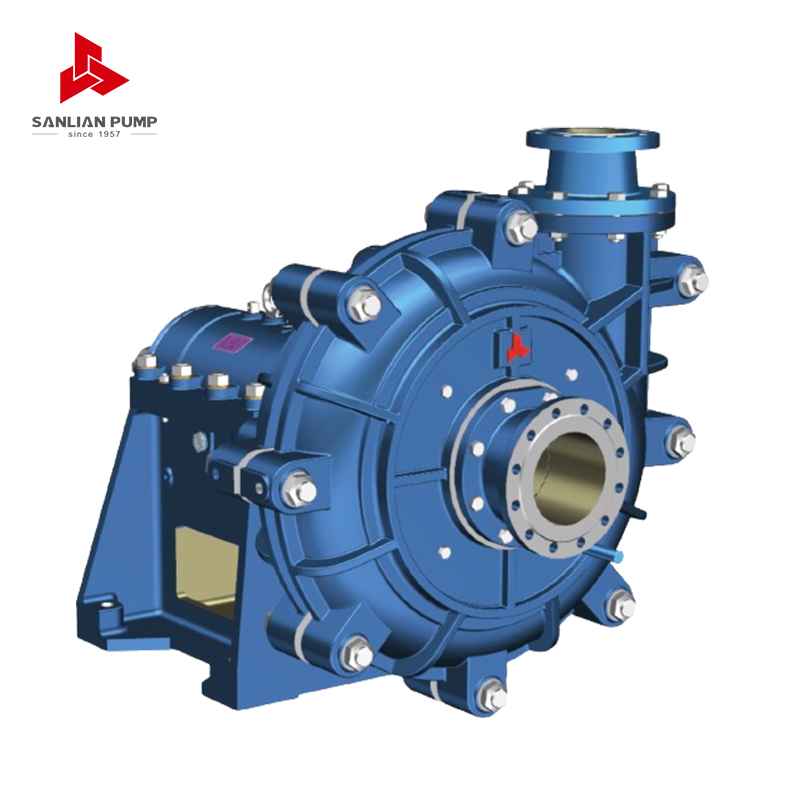
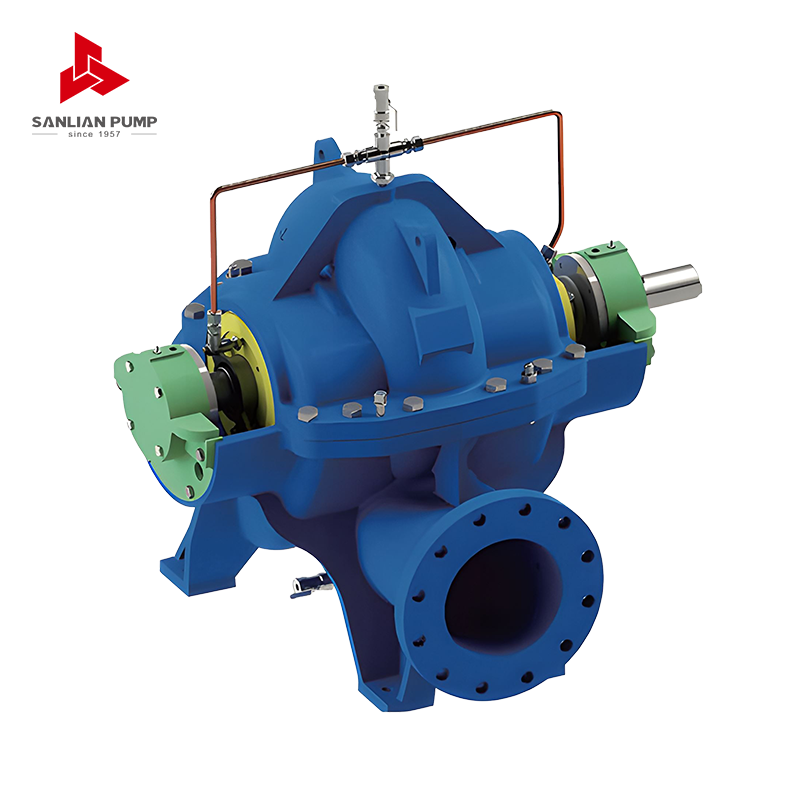
A pump that produces excessive pressure surges can turn a normally quiet system into a noisy one. For example, a horizontal centrifugal pump with variable-speed capability can meter flow smoothly and reduce the shock of starts and stops in a medium-duty booster application. In larger distribution networks, a split-case centrifugal pump for municipal water service offers double-suction impellers that balance axial forces and create a stable pressure profile. For raw water intake systems, a quiet-running submersible pump for water intake and drainage can eliminate the vibration transfer often seen with above-ground pump sets.
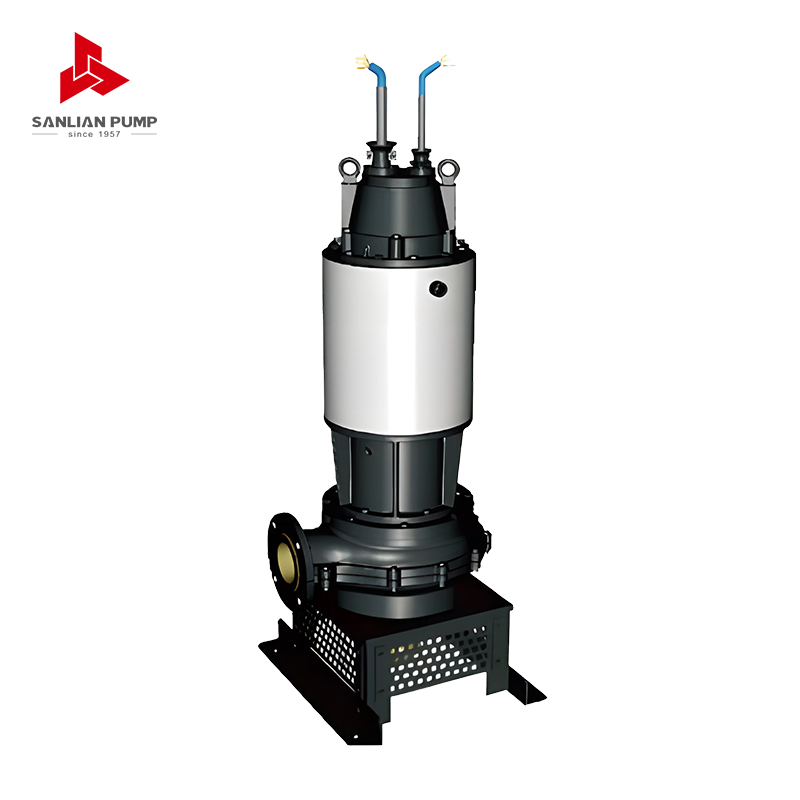 Custom QW series submersible sewage pumps Suppliers, Company - Sanlian Pump InduSanlian Pump is China QW series submersible sewage pumps Suppliers and Custom QW series submersible sewage pumps Company,Product Introduc...View Product →
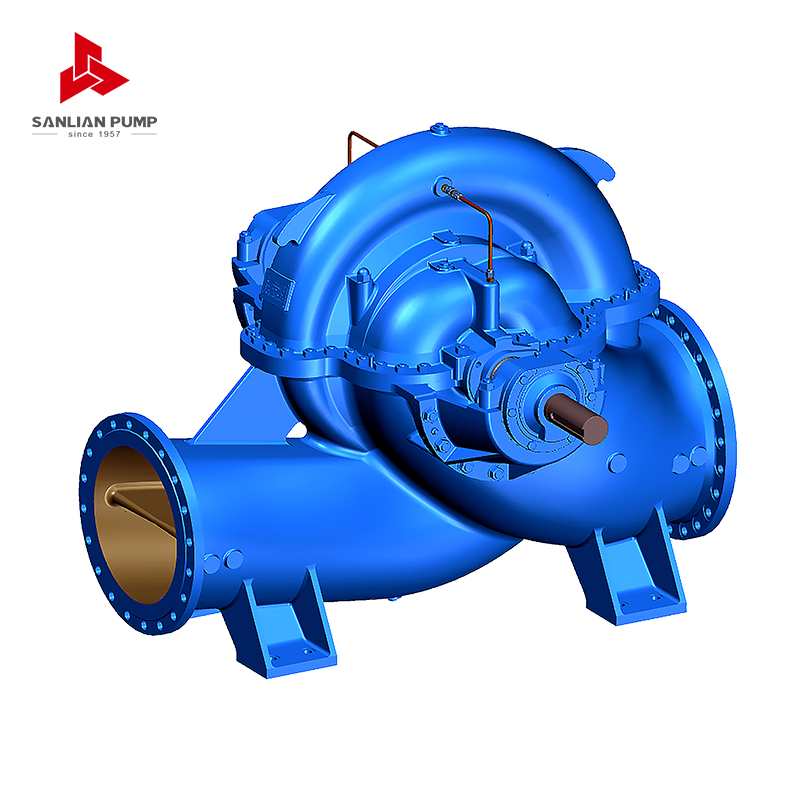 Custom HS (V) single-stage double-suction central volute centrifugal pump SuppliSanlian Pump is China HS (V) single-stage double-suction central volute centrifugal pump Suppliers and Custom HS (V) single-stage double-...View Product →
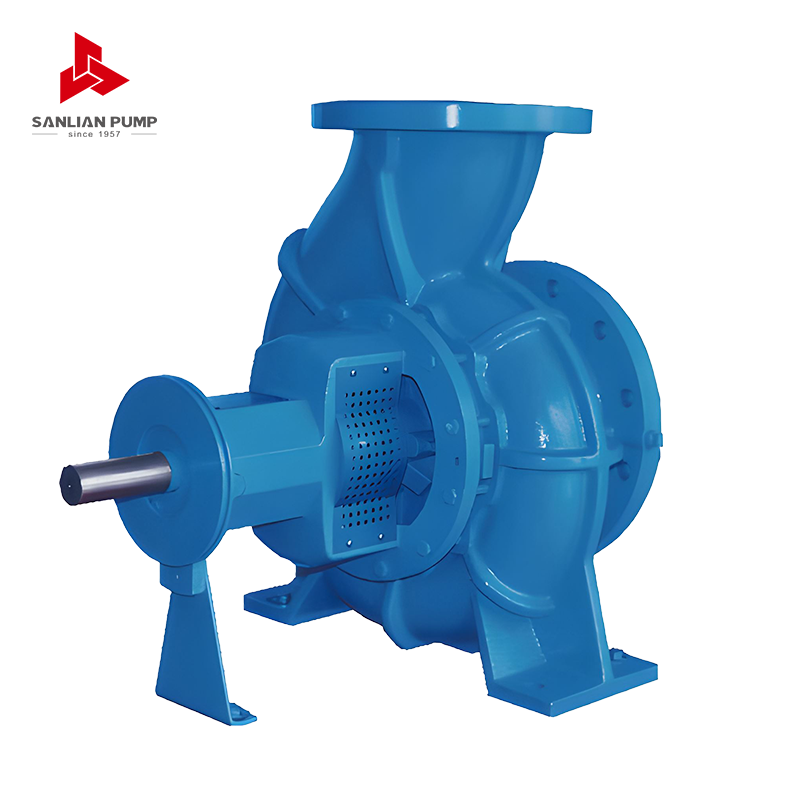 Custom SPE series horizontal single-stage end-suction centrifugal pump SuppliersSanlian Pump is China SPE series horizontal single-stage end-suction centrifugal pump Suppliers and Custom SPE series horizontal single-s...View Product →
The key point is that the pump, the control valve, and the pipework must be seen as a single system. An undersized pump that frequently cycles on and off will always create fluctuating pressure. An oversized pump may run at the edge of its curve, producing higher velocities and stronger water hammer every time the system trips. An experienced pump supplier can review the duty point, surge pressure, and pipe profile before recommending a pump head, flow rate, and motor power selection that fits the actual layout. A practical illustration can be found in the central river pumping station project at Nanjing Chemical Industrial Park, where pump selection and control sequences were designed to limit transient pressures.
When to Call a Professional
Most household hammering sounds can be solved with the steps above. But you should involve a plumber or a pump specialist if the banging is accompanied by visible pipe movement, water pressure fluctuates wildly, or the noise appears in a newly installed system without an obvious trigger. A severe water hammer can crack a fitting and cause hidden leaks. In industrial buildings, conduct a surge analysis before modifying the system. This is especially important in high-rise buildings, where pressure waves can travel long distances and reflect at floors.
If you are designing a new pumping station or upgrading existing equipment, the best way to prevent water hammer is to select the pump and controls together. A supplier with engineering experience can help you compare selection criteria for a municipal water supply split-case pump and specify the right pressure relief measures.
Final Thoughts
A hammering sound in water pipes is a sign that energy is being released somewhere in the system. In a home, the fix is usually simple: support the pipe, lower the pressure, or add an arrestor. In an industrial setting, the answer lies in proper pump selection, controlled valve operation, and a system design that absorbs pressure surges. If you hear the sound only once, you might ignore it. If it repeats, do not wait for the next thud—inspect the system and eliminate the cause before it travels from an annoyance to a repair bill.



 English
 中文简体
中文简体 Français
 Español
 Português
 عربى
عربى

 皖公网安备34052302341647号